New free tool: plan a complete home golf sim for your room and budget.

The feed

Latest stories

Explained

A record 49 mini drivers played the Dunhill Links. In the tour bags we track it is 11 of 80, and 8 of them carry no 3-wood

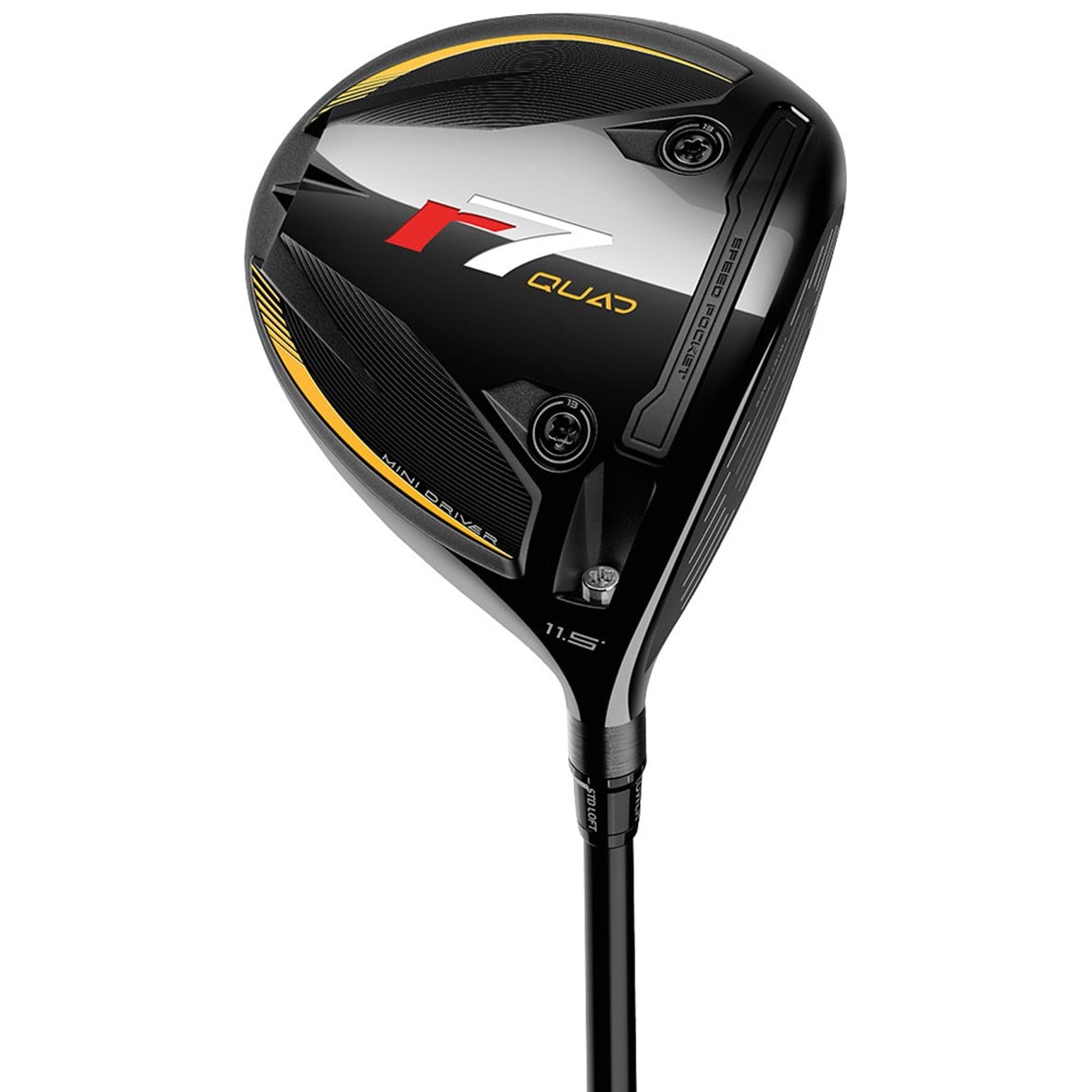
Brooks Koepka retired his 2017 3-wood for a mini driver in Scotland and the winner carried a Ping prototype. Across the 80 tour bags we maintain the share is half the Dunhill's 29 per cent, and the club it replaces is clear.

By Tom Whitaker

Versus

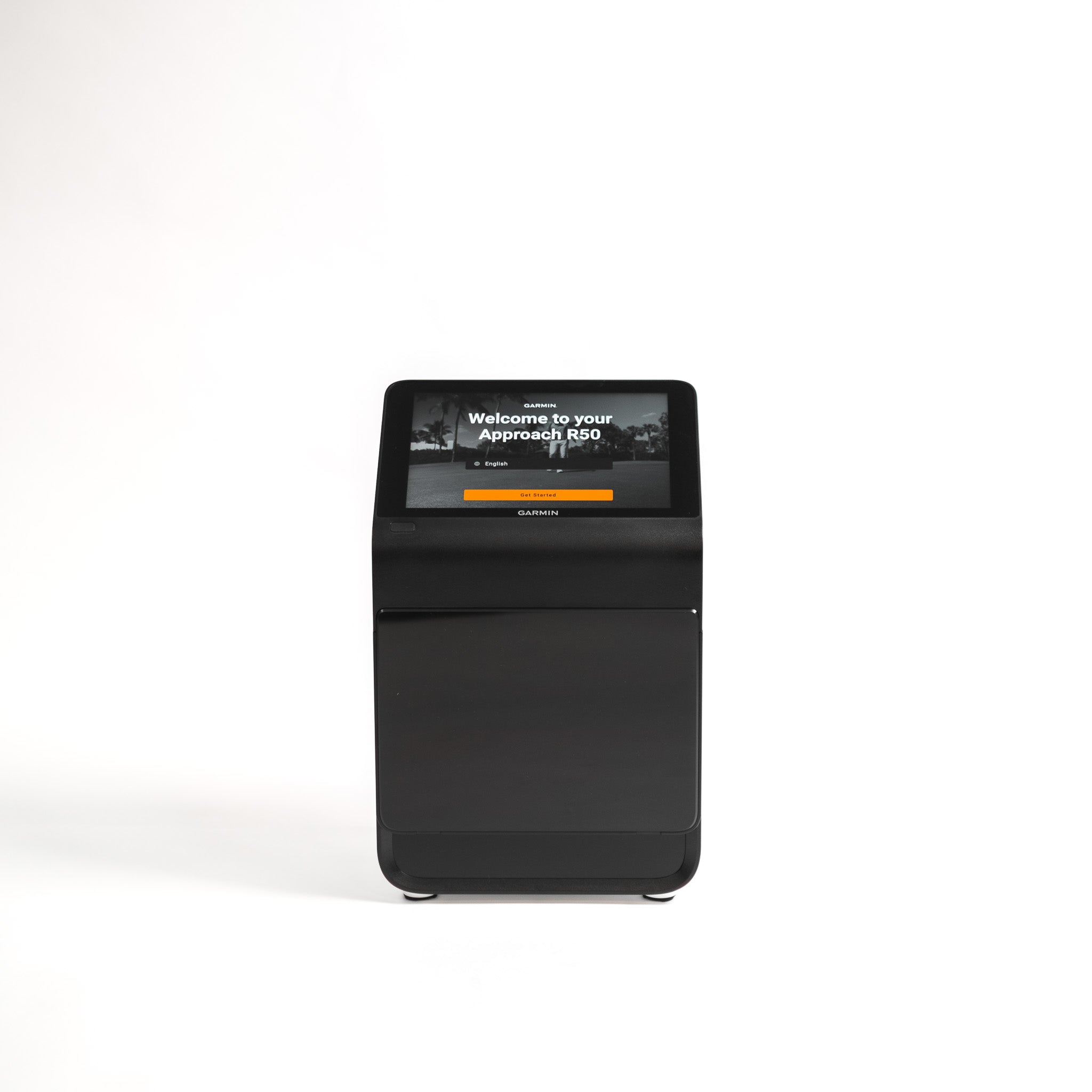
Garmin Approach R50 vs TruGolf APOGEE: a portable all-in-one sim against a ceiling unit that keeps the floor clear

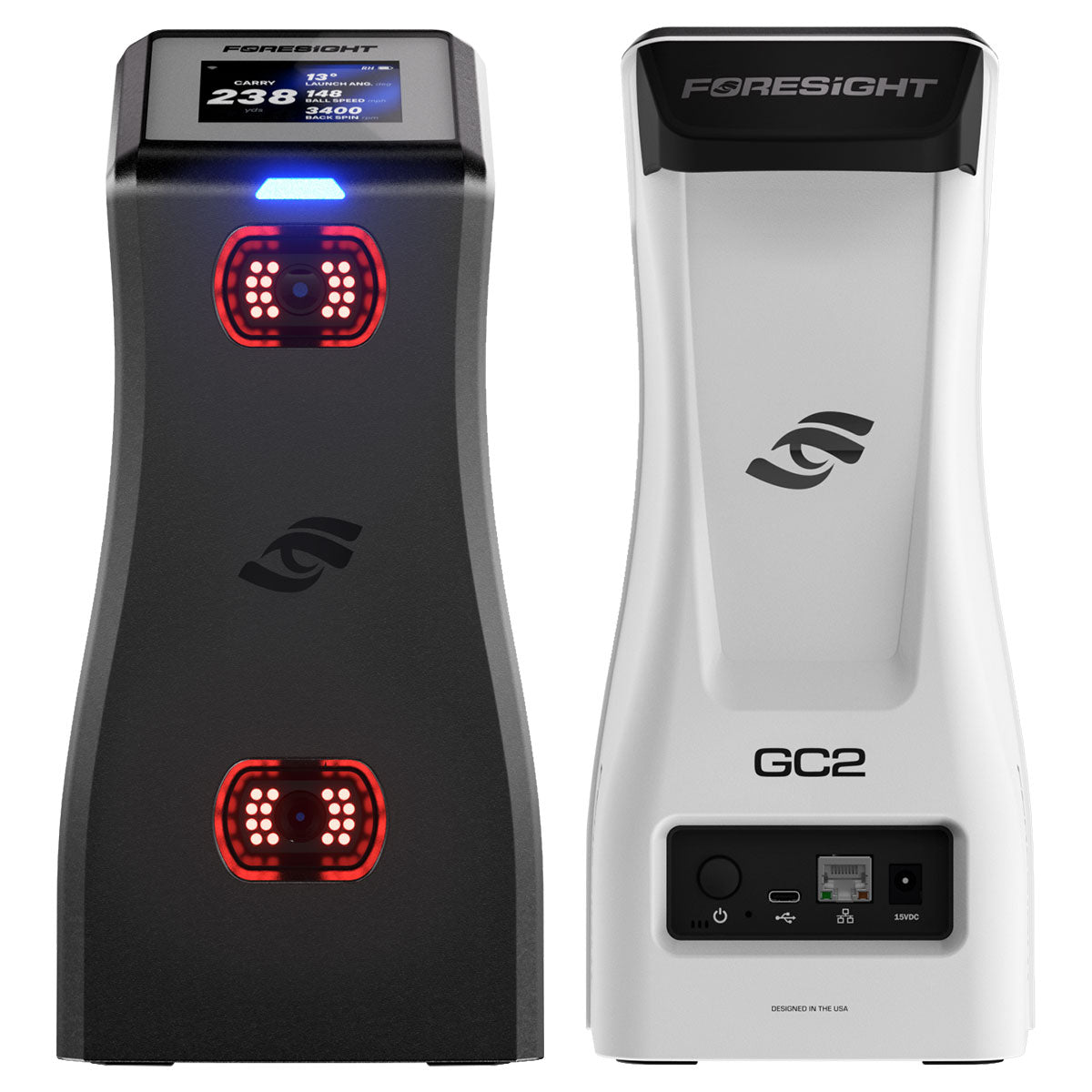
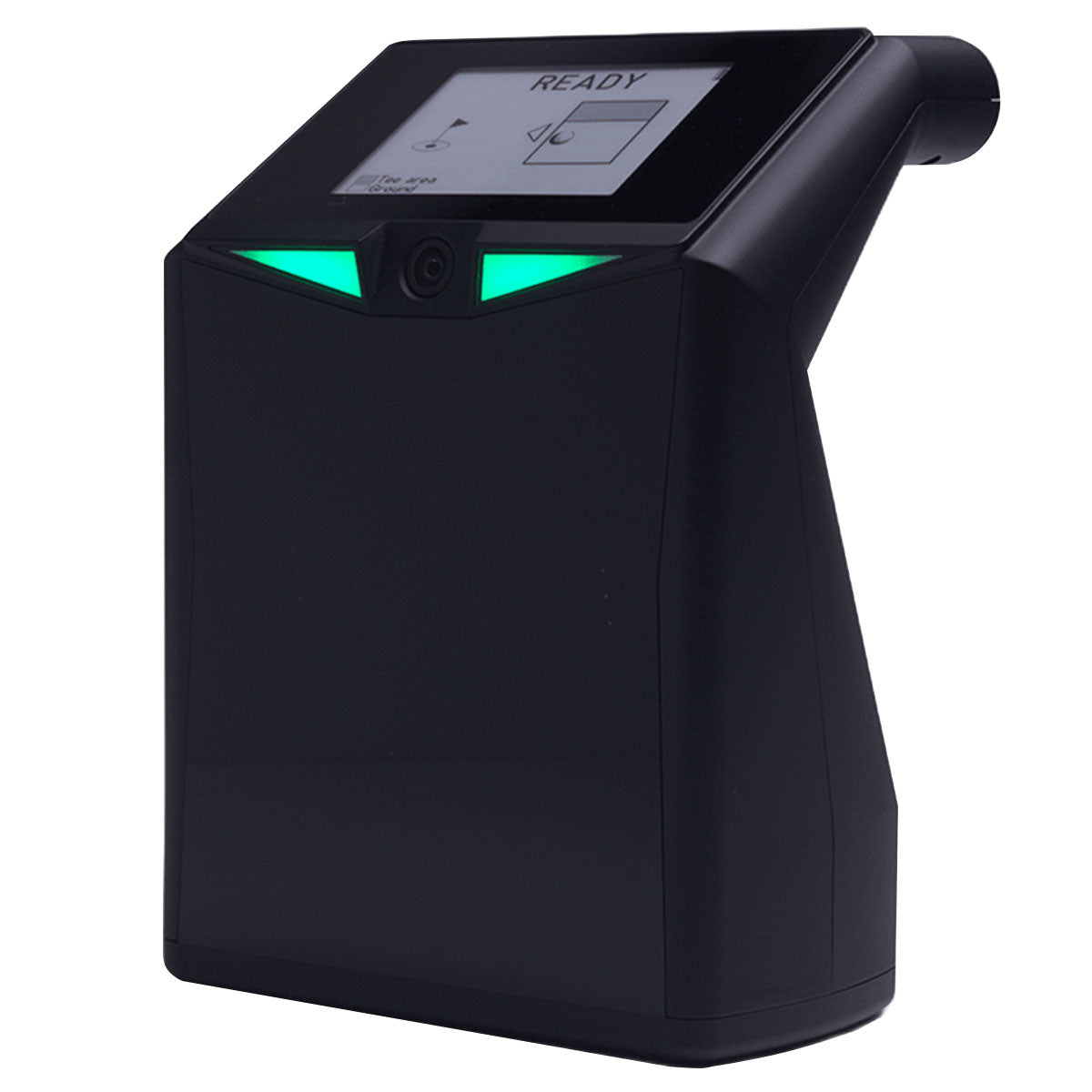
Two premium camera units with their own software, and one of them is bolted to the ceiling. The R50 needs nothing else to run a round. The APOGEE needs a PC, a permanent room and a commitment to E6.

By Marcus Bell

Versus

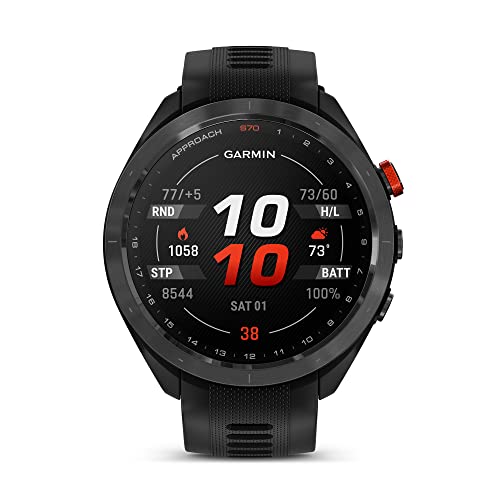
Garmin Approach S70 vs S44: the extra money buys Virtual Caddie and a health watch, not better yardages

Same course database, same AMOLED idea, same front-middle-back numbers. The flagship costs close to double, and almost everything it adds happens either off the course or inside a club suggestion.

By Dan Mercer

Review

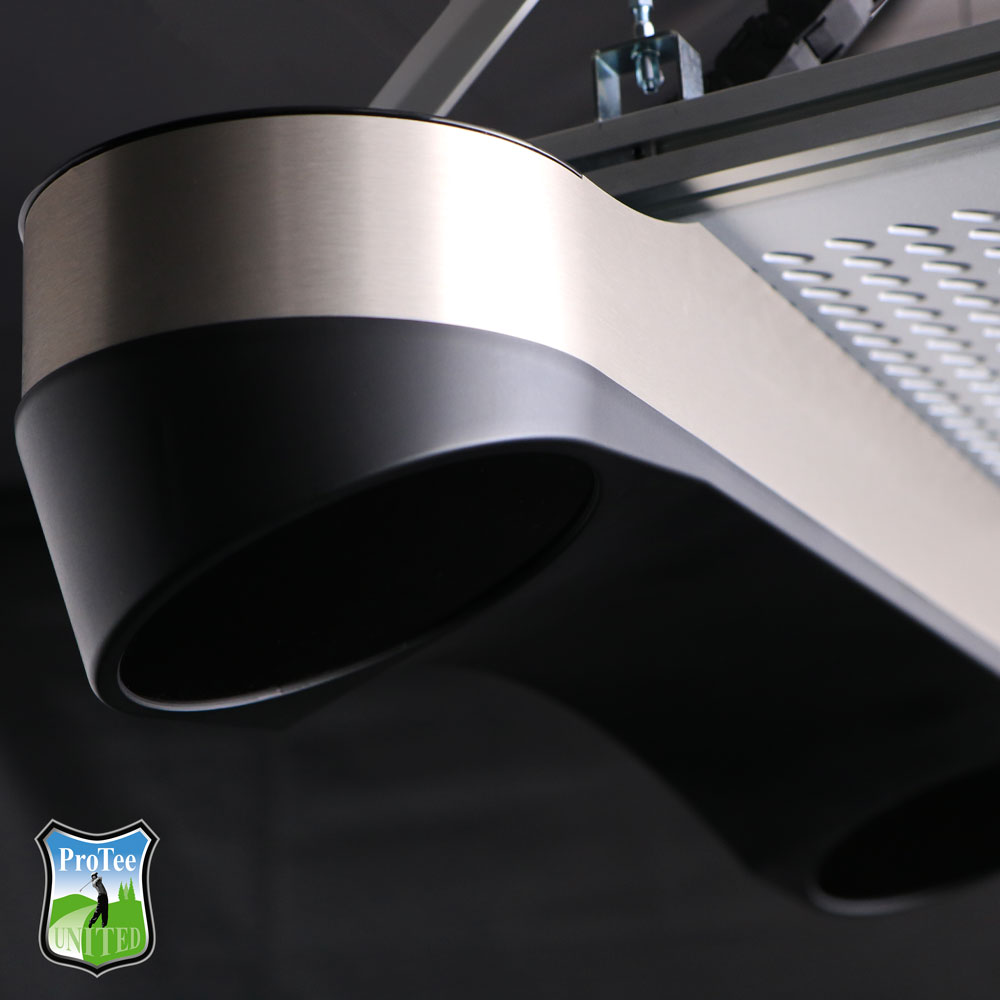
ProTee VX review: overhead club data where the only yearly bill is the course software

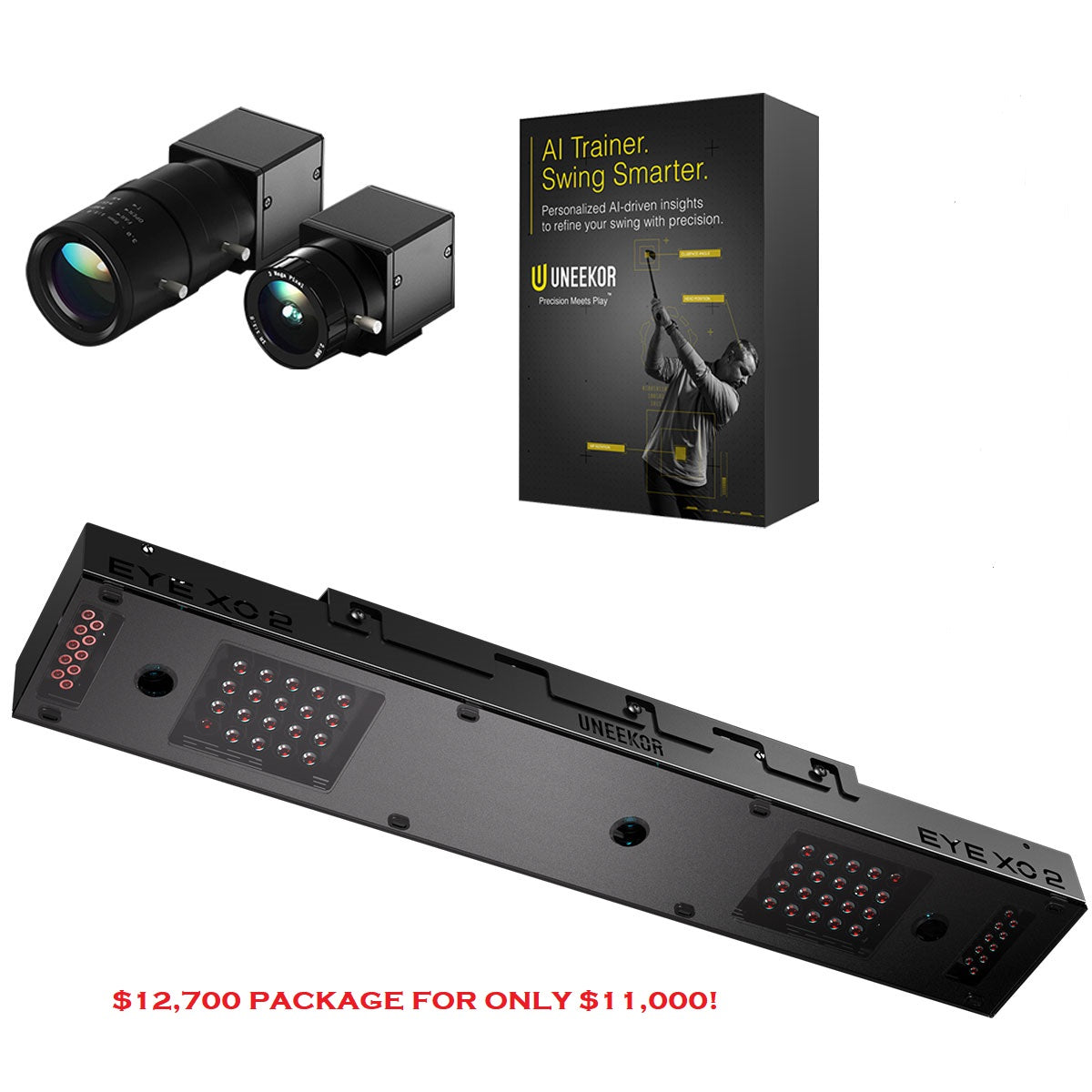
A ceiling-mounted camera unit with a hitting zone more than three times the size of Uneekor's EYE XR and no membership to unlock its own data. Play courses on it and you still pay GSPro, but only GSPro.

By Ben Marsden

Versus

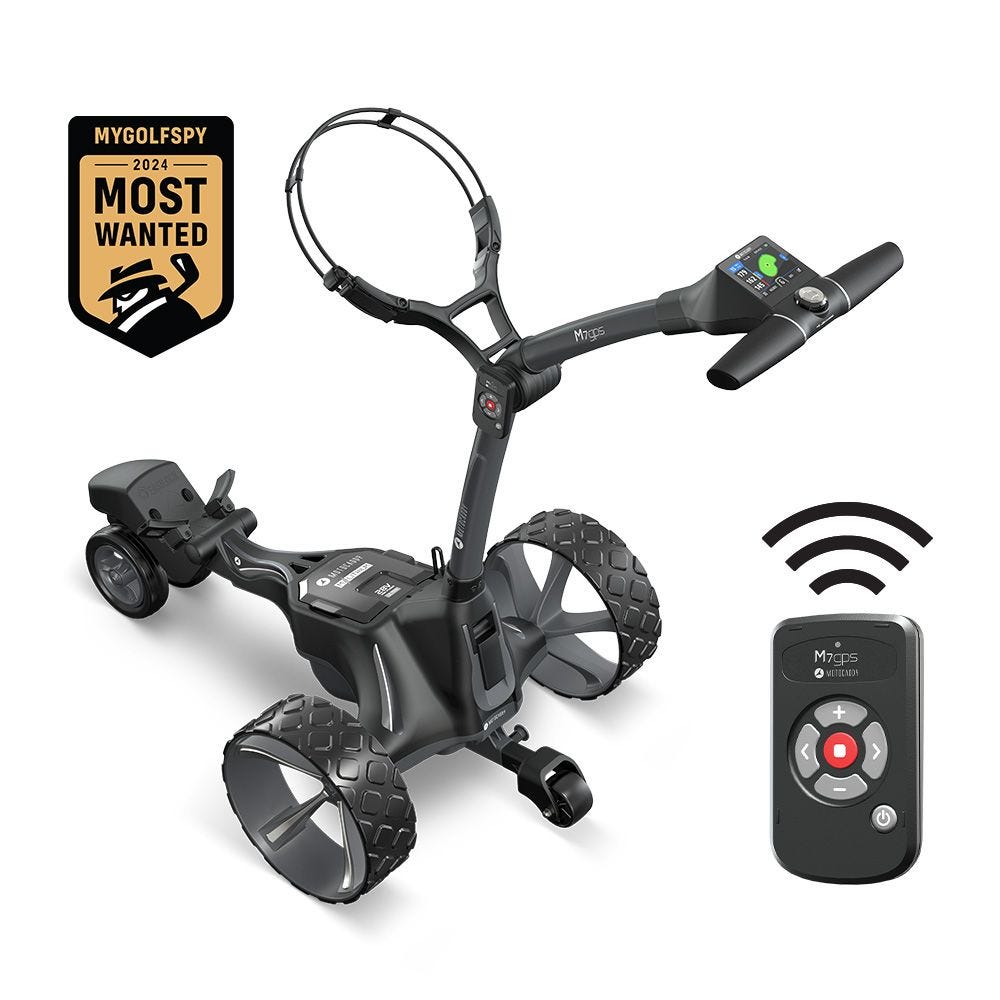
Motocaddy M7 GPS Remote vs Stewart Vertx: same price, so it comes down to the GPS screen and the battery warranty

Two 100-metre remote trolleys at the same list price. One puts a 3.5-inch GPS in the handle and five years of cover on the battery; the other skips the screen for terrain control, a flatter fold and a month to try it.

By Tom Whitaker

Explained

17 of the 24 LPGA drivers we track are lofted 9.25 degrees or less, matching the PGA Tour at 19 mph less speed

The women's tour swings at roughly the speed of an average male club golfer, and its median driver loft is the same 9 degrees as the men's. The reason is how the club meets the ball, and it is the part amateurs rarely copy.

By Jordan Hale

Versus

FlightScope Mevo Gen2 vs SkyTrak ST MAX: one sells you the club data, the other rents you the courses

Two units within reach of each other on price, from opposite ends of the room. The Mevo Gen2 owns its courses and charges once for club-face numbers. The ST MAX includes club path and face angle and charges every year for golf.

By Jordan Hale

Versus

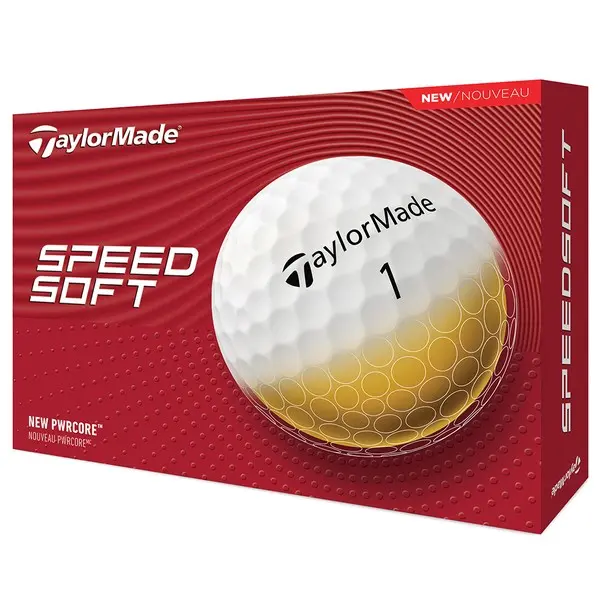
TaylorMade SpeedSoft vs Callaway Supersoft: level off the driver, split by iron height and consistency

The two softest big-brand balls in the shop, a coin apart in price. Robot testing puts them within a fraction of a mile an hour off the driver, so the decision lives in the irons, around the green and inside the box.

By Ross Hamilton

Versus

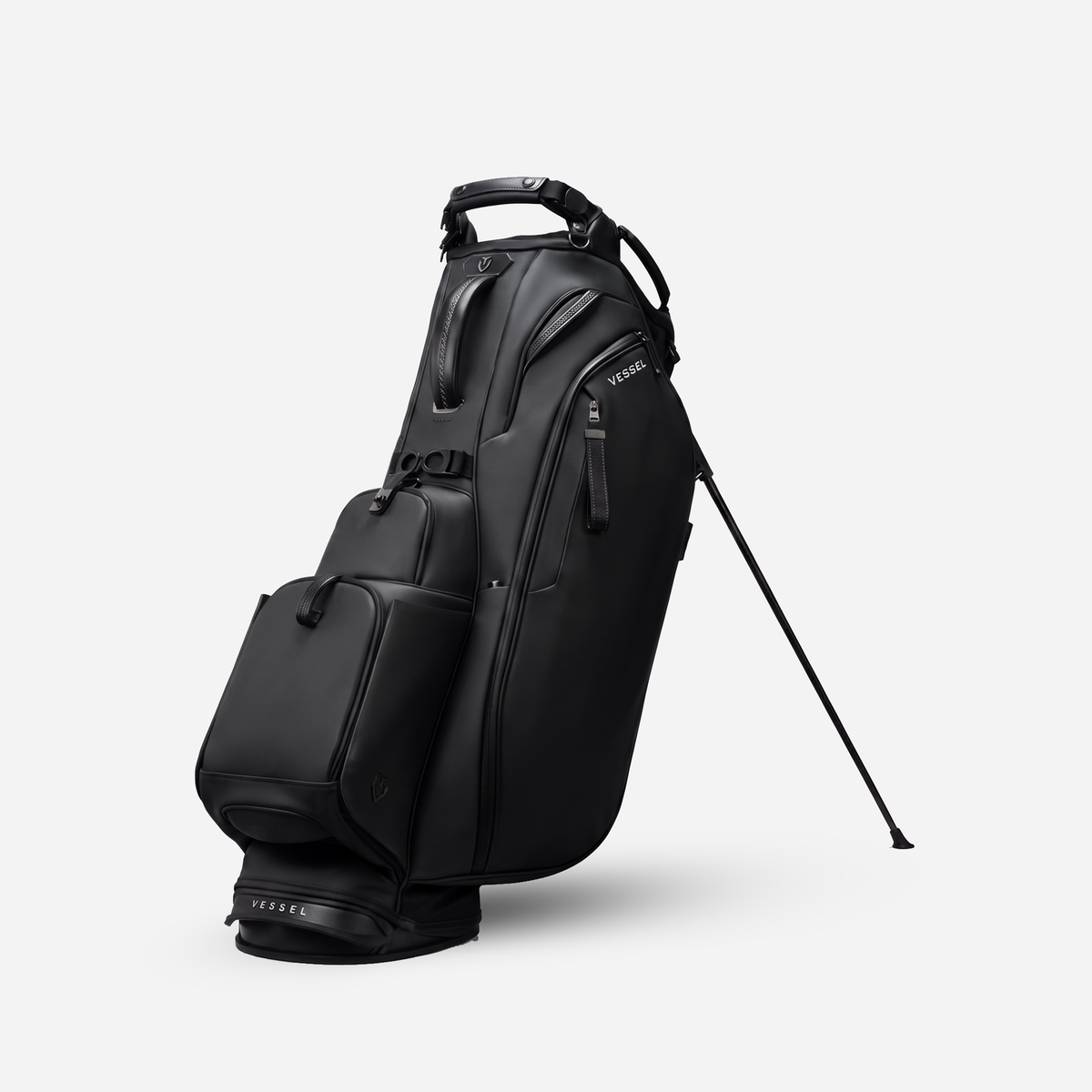
Vessel Player VI Pro vs Player V Pro: a bigger top and magnetic pockets, not a reason to replace a V Pro

Vessel's new flagship stand bag went on sale on 23 September with a top about nine per cent bigger, three more pockets and a quarter of a pound more weight. The old one is still on sale beside it, at almost the same money.

By Tom Whitaker

Review

Voice Caddie SC4 PRO review: the phone-free range radar whose PRO extras need your phone

A Doppler launch monitor that reads carry, apex and spin off its own display and speaks your distance aloud, so the phone stays in the bag. The four metrics that make it the PRO are the exception: they live in the app.

By Ben Marsden

Versus

TruGolf LaunchBox vs Full Swing KIT: one price includes the courses, the other includes the club data

Two portable launch monitors below the premium tier, sold on opposite promises. TruGolf bundles 27 courses you keep and no annual bill. Full Swing bundles all sixteen data points and a camera, then leaves the golf courses to you.

By Marcus Bell

Versus

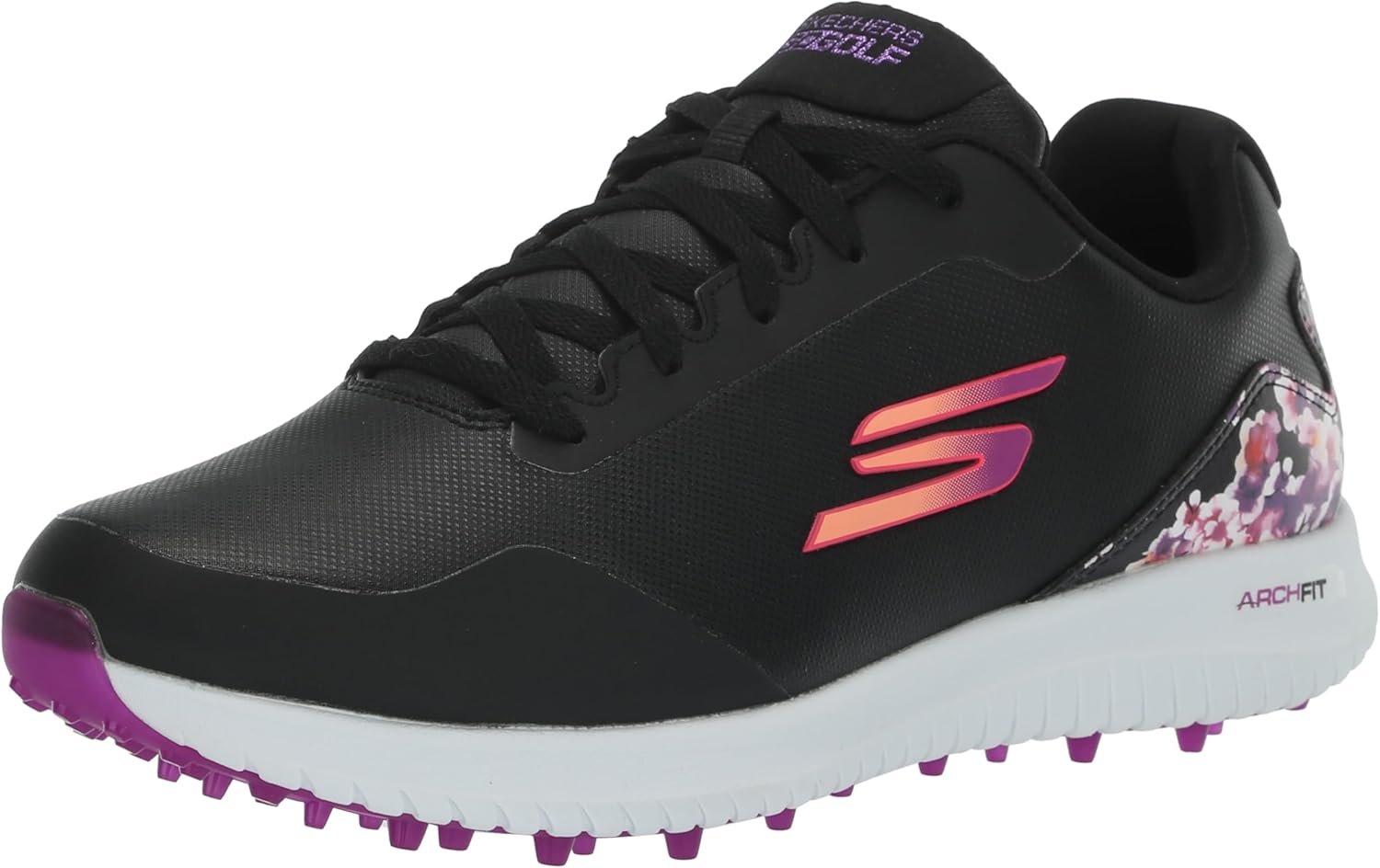
Skechers GO GOLF Max vs FootJoy FJ Flex for women: the waterproof Skechers is the winter shoe, the mesh Flex waits for spring

Two comfort-first women's spikeless shoes at almost the same price, built on almost the same idea. What separates them is the upper, and from October the upper is the part that decides whether your feet are dry on the fourth tee.

By Dan Mercer

Review

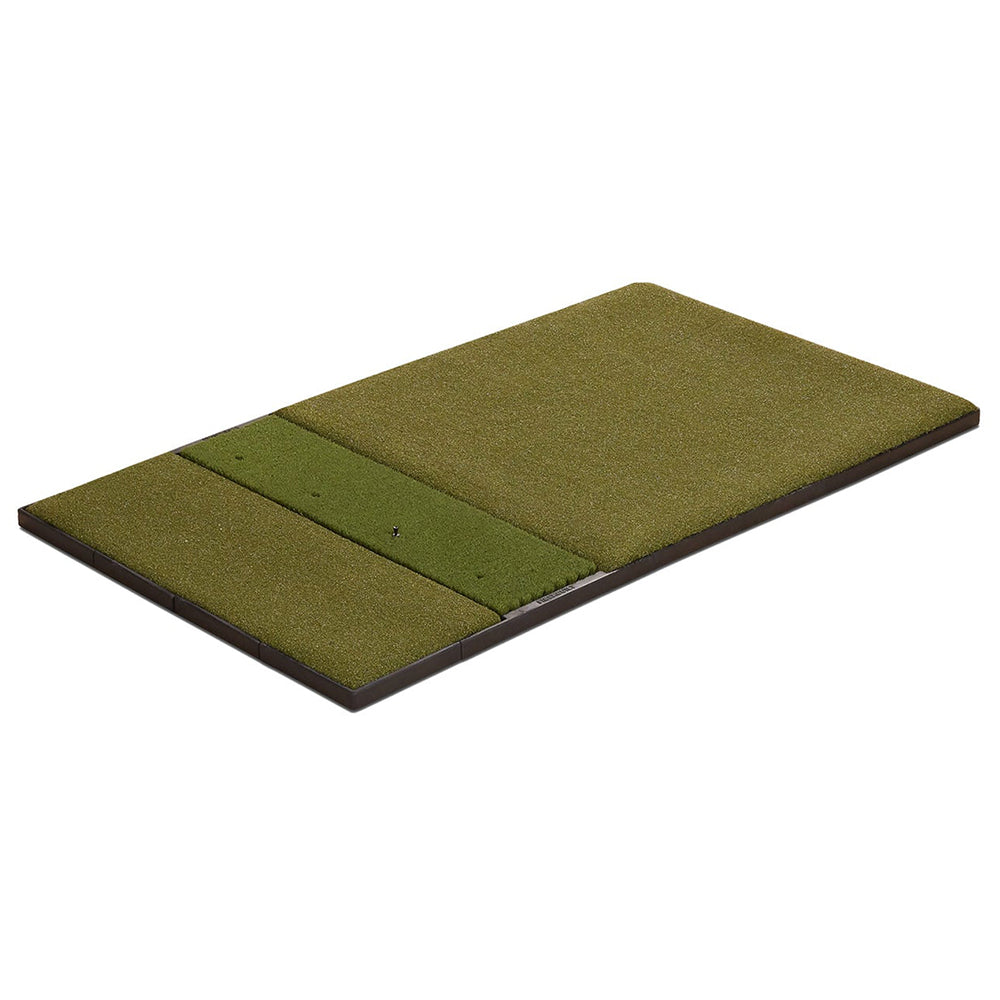
Fiberbuilt Studio Grass review: buy the 7x4 single-hitting mat, because the both-hands layouts cost flagship money

Fiberbuilt's grass panel is the reason serious home bays end up on this mat, and the entry layout is the best way to buy it. The centre-hitting version is priced level with the Player Preferred, and it leaves out the panel your launch monitor sits on.

By Ben Marsden

Versus

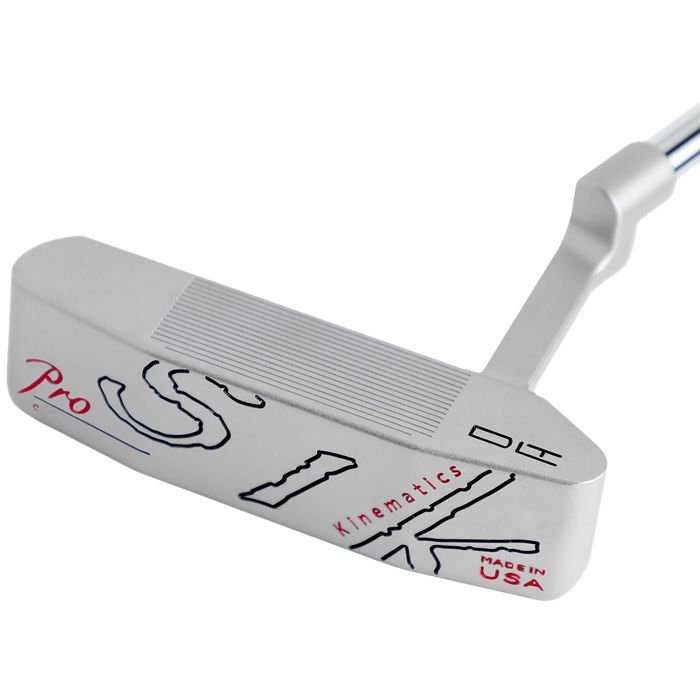
SIK Pro C-Series vs T.P. Mills Trad II: the SIK corrects a wandering forward press, the Mills is a one-off you buy for the craft

Bryson DeChambeau putts with one and Jordan Spieth with the other, and they could hardly come from more different beliefs. One face is engineered to cancel out what your hands do at impact. The other is a single hand-finished head whose selling point is the person who made it.

By Ross Hamilton

Review

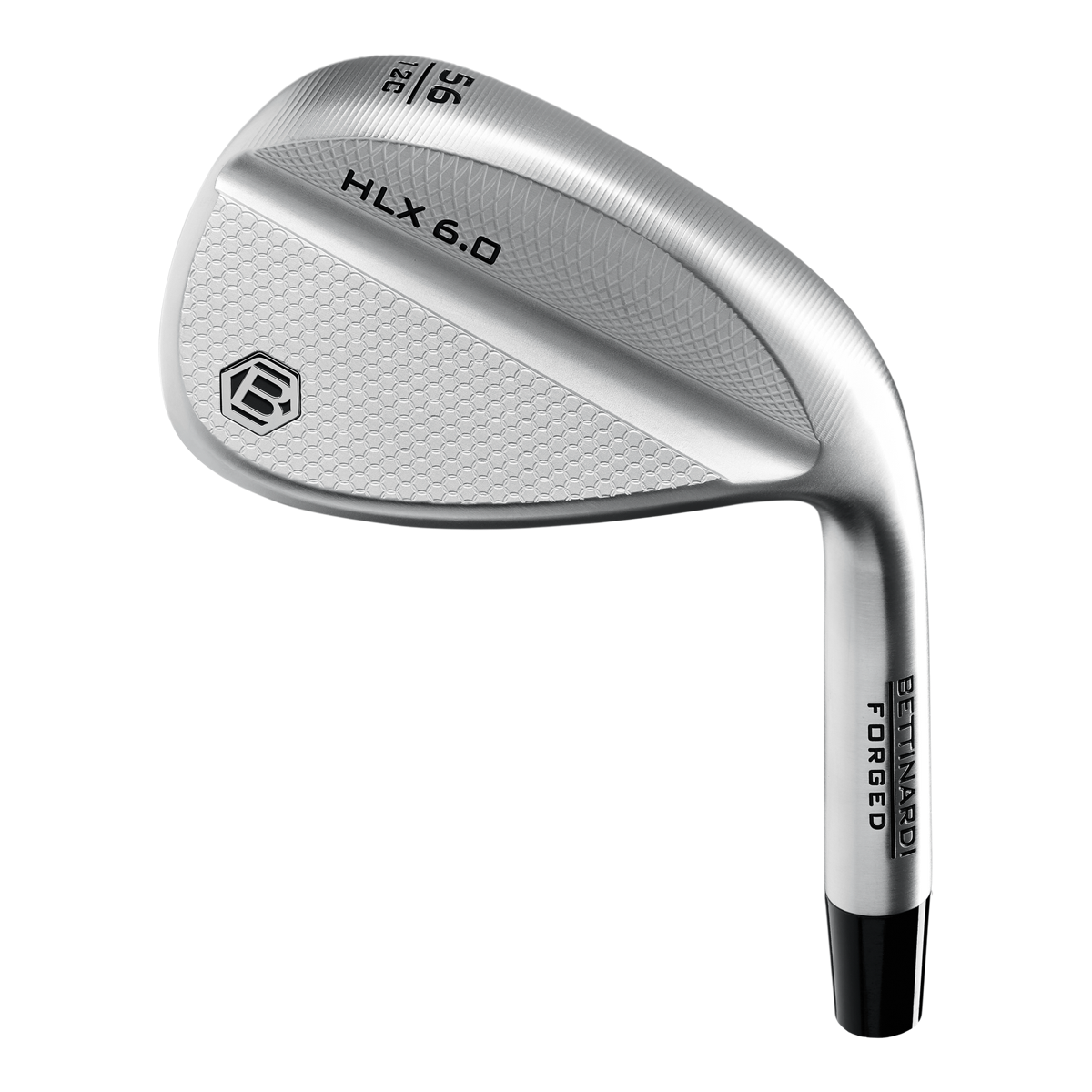
Bettinardi HLX 6.0 review: a putter maker's forged wedge with two grinds where Vokey has six

Bettinardi's sixth-generation forged wedge brings more grooves, less offset in the lower lofts and some of the best milling detail in golf, at roughly Vokey money. The fitting matrix is eleven configurations deep, and that is the number to weigh before the looks.

By Ben Marsden

Versus

Bridgestone Lady Precept vs Callaway REVA: a soft standard-size ball against an oversized one, and size is the real decision

Both are low-spin balls sold to women and priced level with the unisex soft balls on the next shelf. Neither box tells you its compression. What actually separates them is diameter, and that decides who each one suits.

By Ross Hamilton

Review

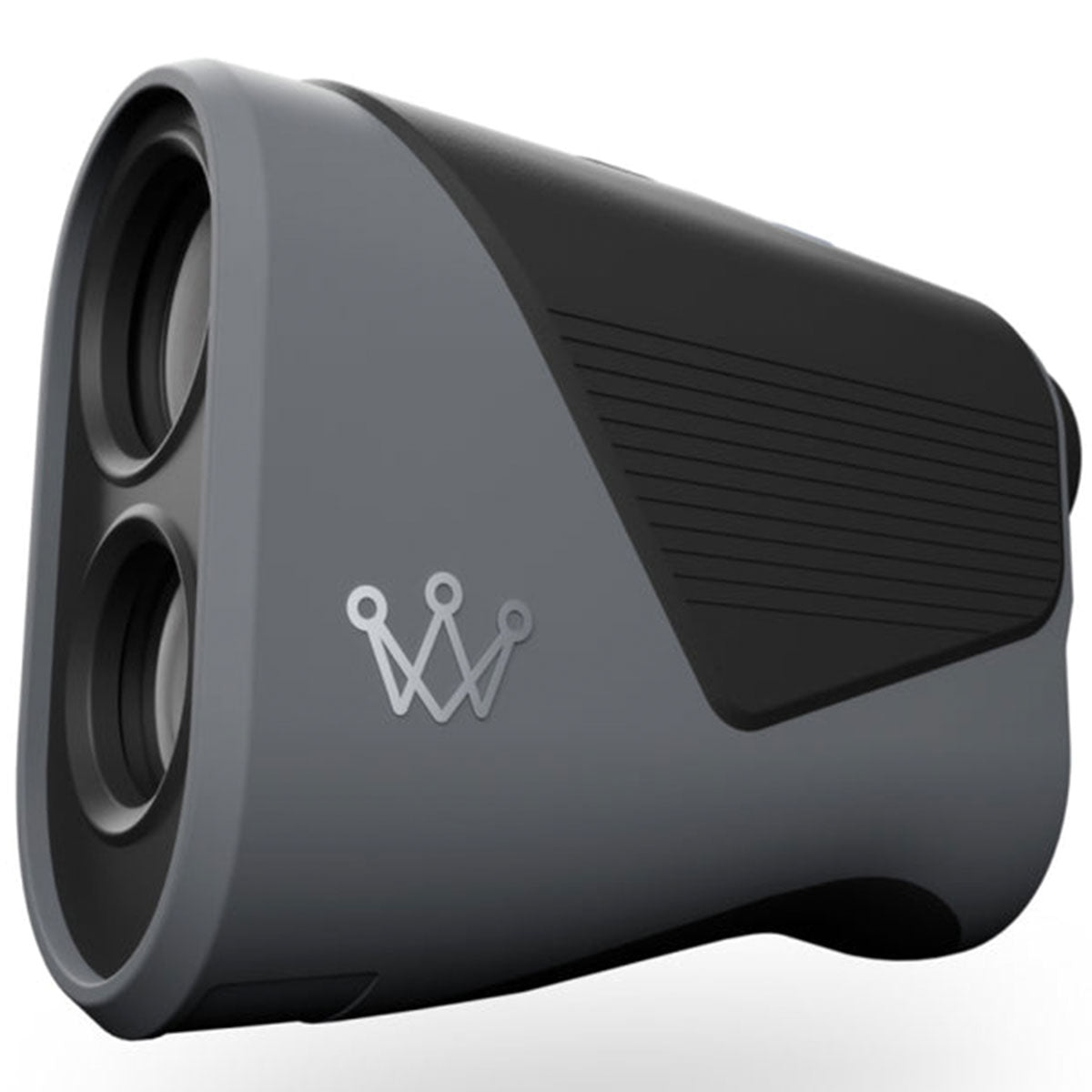
Arccos Smart Laser review: the auto-pin is the reason to buy it, and it sits behind a second subscription

Arccos's laser drops the pin into your shot-tracking app every time you range the flag, which fixes the one number tracking has always guessed. That feature runs on the laser's own annual subscription, not the one you already pay for tracking.

By Ben Marsden

Versus

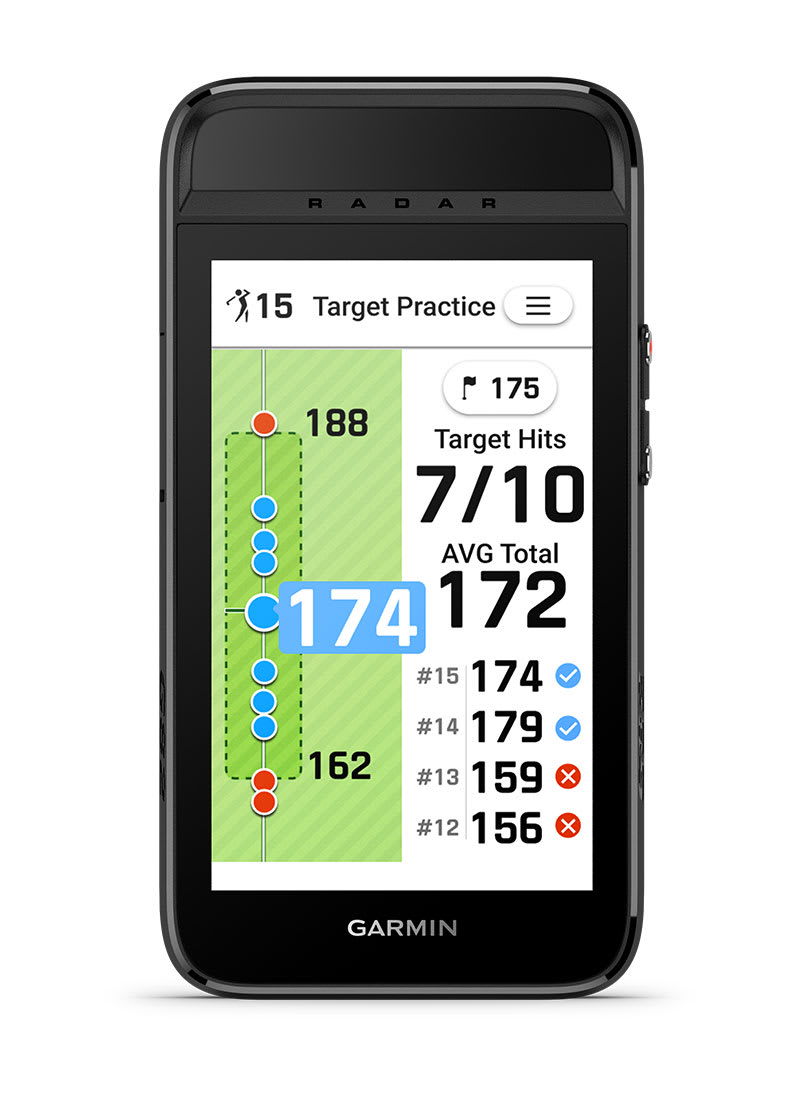
Garmin Approach G82 vs Shot Scope H50: the built-in launch monitor only earns its price if you practise on a range

Two big-screen handhelds, more than twice apart on price. The difference is a radar launch monitor in the Garmin, and whether you need one comes down to how often you hit balls away from the course.

By Tom Whitaker

Explained

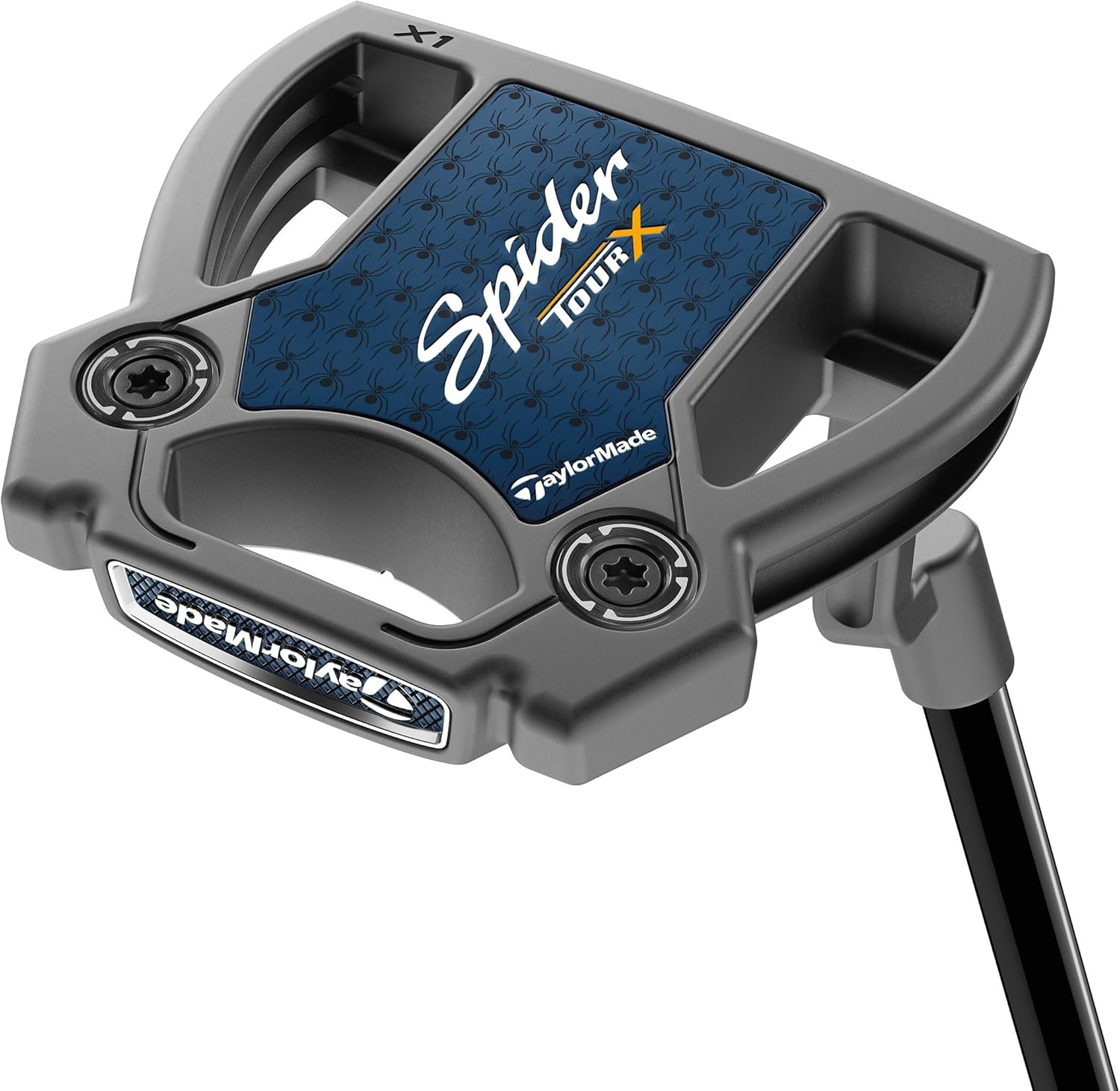
14 of the 42 PGA Tour putters we track are Scotty Camerons. On the LPGA it is 6 of 26, behind TaylorMade and Odyssey

Scotty Cameron leads the men's bags we maintain by three. In the women's bags it drops to third, and the putters there are far less likely to be named prototypes. The rows, the caveats, and what to take from it.

By Ross Hamilton

Review

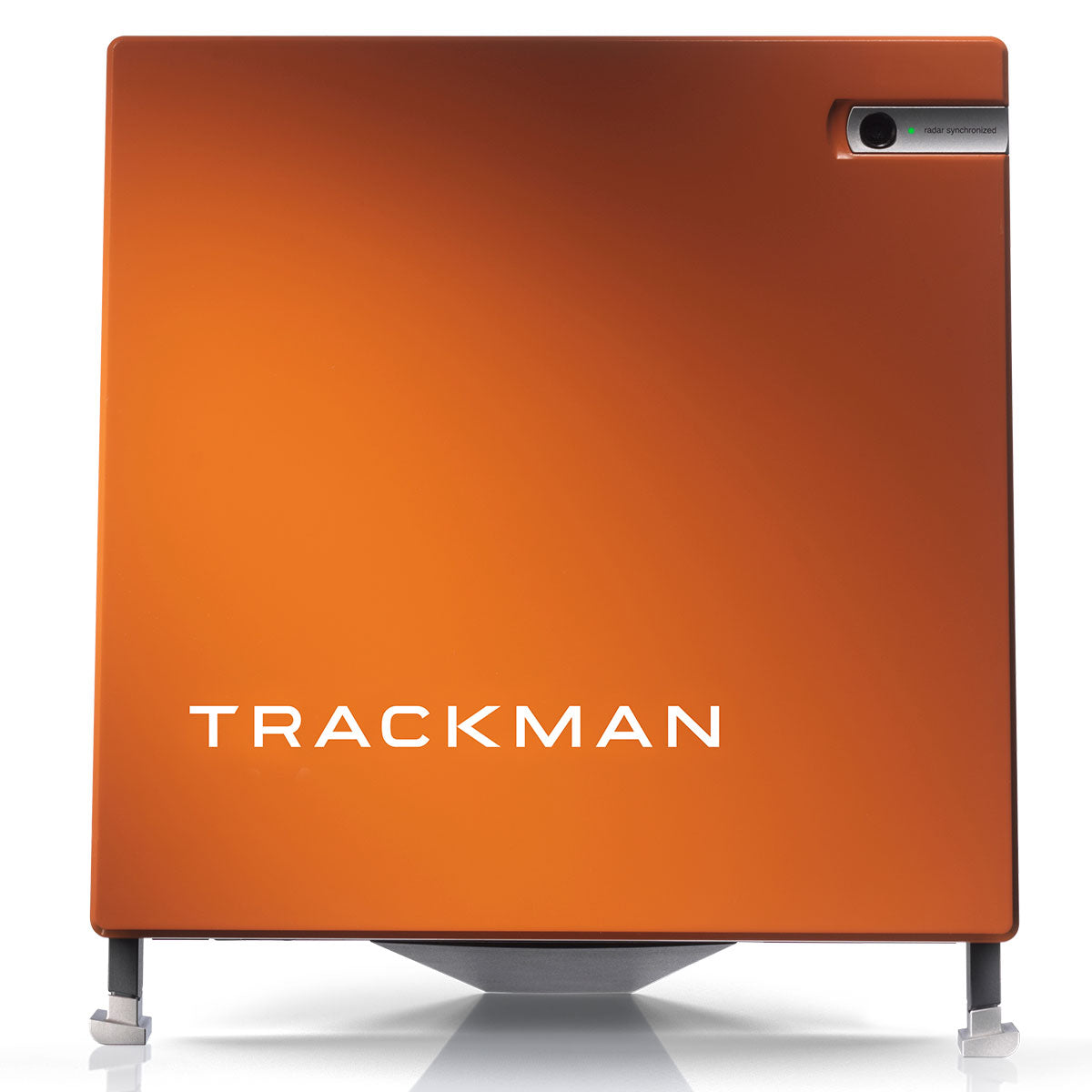
Trackman 4 review: the 2015 radar is still the reference, and it pays for coaches, putting and the range

Trackman's dual-radar unit is more than ten years old and every other launch monitor is still checked against it. That age is part of the case for it. The room it needs, the putting data it has and the iO doesn't, and who should spend the money.

By Ben Marsden

Buying guides

The gear worth your money

Every category ranked for how you actually play — the picks that make the cut, and why.

All buying guides

Destination guides

The trips worth taking

The bucket-list courses — where to play, when to go, and how to plan it.


All destination guides