
Zero-torque putters: golf's fastest-spreading idea
Tour bags are quietly being rebuilt around a putter that won't twist. Here's why — and where it started.
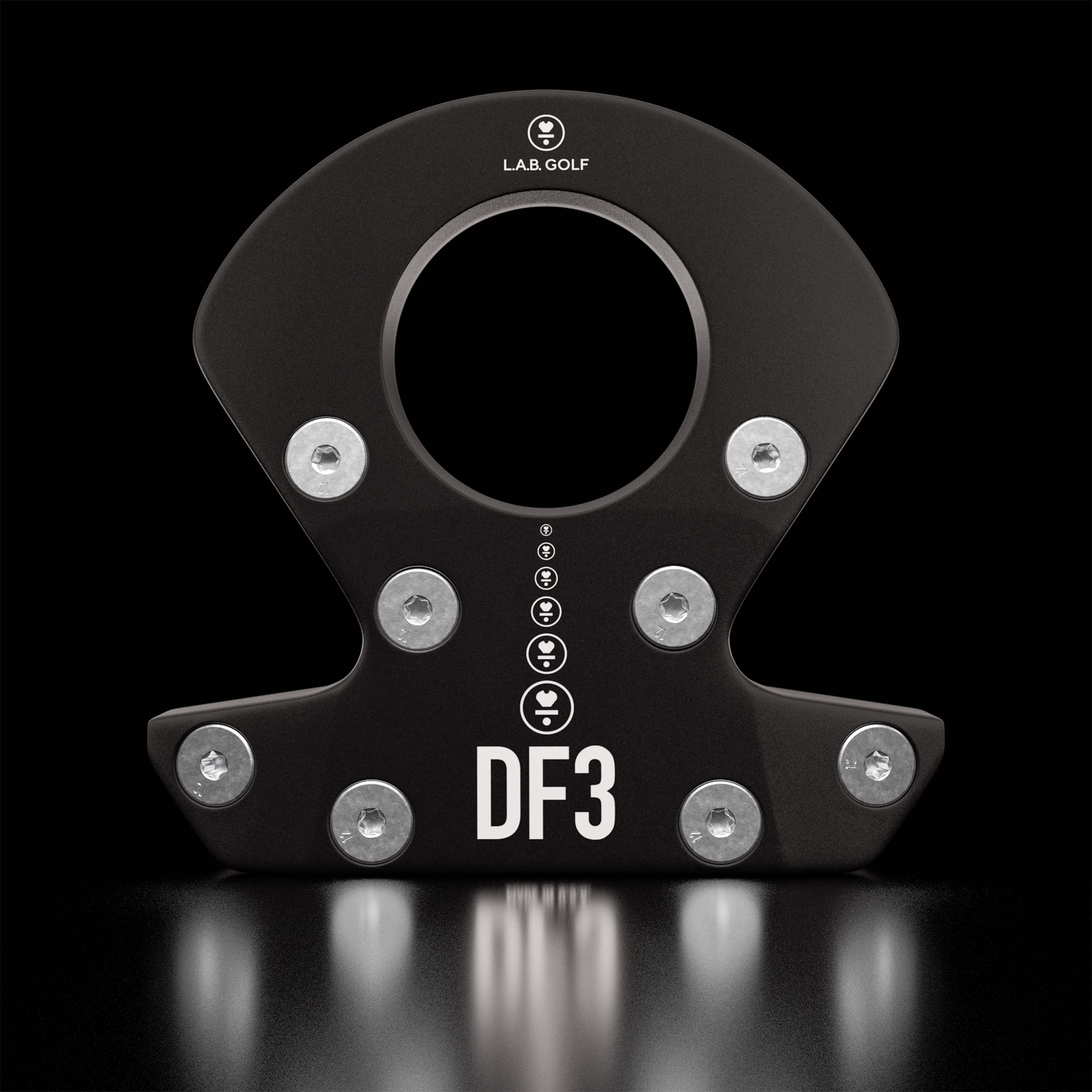
For decades the putter was the one club nobody dared overthink. Then a small Oregon brand, L.A.B. Golf, asked an awkward question: why does the face open and close through the stroke at all? Their answer — Lie Angle Balance, engineering the head so it stays square with effectively zero torque — has gone from cult curiosity to the biggest story in putting.
The appeal is brutally practical. A conventional putter wants to twist on off-centre hits and through the arc, and you burn nervous energy fighting it. A zero-torque design takes that fight away: the face simply returns to where it started. On short, pressure putts — where a sliver of face rotation is the difference between holed and lipped-out — that stability is worth real strokes.
The L.A.B. DF3 is the one that broke it open: chunky, unmistakable, and now in play with tour winners who switched mid-season, the strongest possible endorsement in a category where pros almost never change. Every major brand has since rushed out a zero-torque answer (TaylorMade's Spider ZT, Odyssey's Square 2 Square Jailbird), which tells you exactly where this is heading.
It isn't for everyone. The look polarises, the heads are heavy, and if you already hole everything you don't need it. But if your speed is fine and your misses leak left and right, this is the rare bit of gear where the hype and the mechanism genuinely line up. Roll a few on a practice green before you dismiss it — most people don't hand it back.
If your misses are left-and-right rather than long-and-short, a zero-torque putter is the upgrade most likely to lower your scores.
In this piece
L.A.B. Golf
L.A.B. Golf DF3 Putter
$550
The putter everyone keeps switching to: Lie Angle Balance tech that takes torque out of the stroke, and tour wins to back the hype.