If you walk, the round lives or dies on what's on your back and your feet. The stand bags worth the money, push and electric trolleys that fold into the boot and roll dead straight, the spikeless shoes that survive 18 holes in comfort, and the boot organiser that ends the jumble-sale car. Everything the walking golfer needs to enjoy the miles.
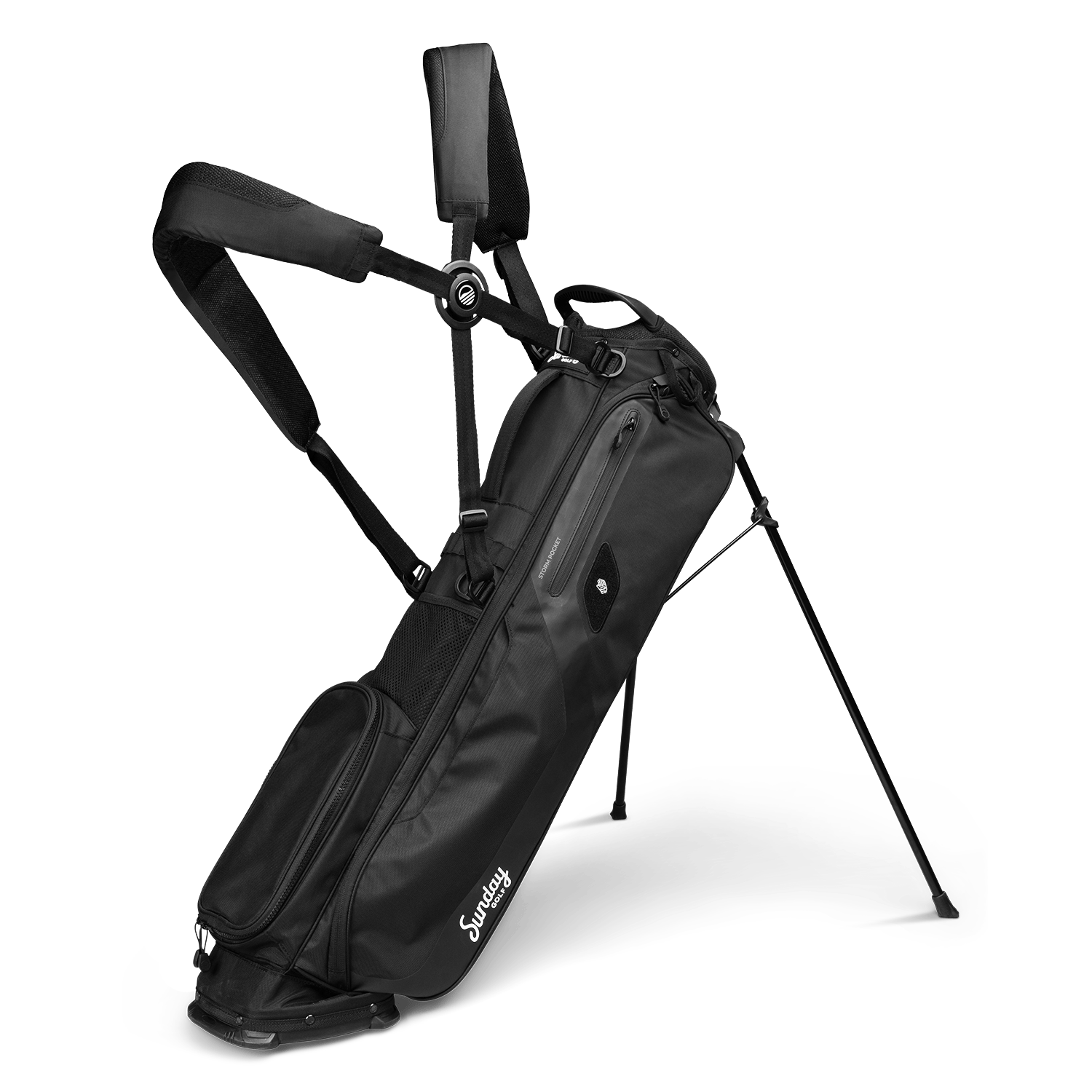
A featherweight mid-size stand bag from American DTC brand Sunday Golf, built specifically for golfers who carry.
What's great
The weight-to-features ratio is unmatched. Most sub-2kg bags strip out everything useful, but this keeps a proper stand, double strap, six-plus pockets and that insulated drinks pocket, which is exactly the kind of priorities I respect. Bunkered called it awesome on test, and National Club Golfer found it genuinely comfortable to carry thanks to the self-balancing straps. Build quality outpunches the price, with chunky water-resistant zips and a base that stands up to cart use as well. It also looks fantastic, and the matte black is the pick.
Worth knowing
It's happiest with 10 clubs; a full 14 fit but it gets snug and the pockets shrink in usable space. Water resistant is not waterproof, so a proper Welsh downpour will eventually find your stuff. UK stock comes via their UK site or Amazon and colourways sell out fast. No full-length clothing pocket either.
The verdict
If you walk and carry, this is the most likeable bag in golf. Just don't expect it to swallow a tour setup.
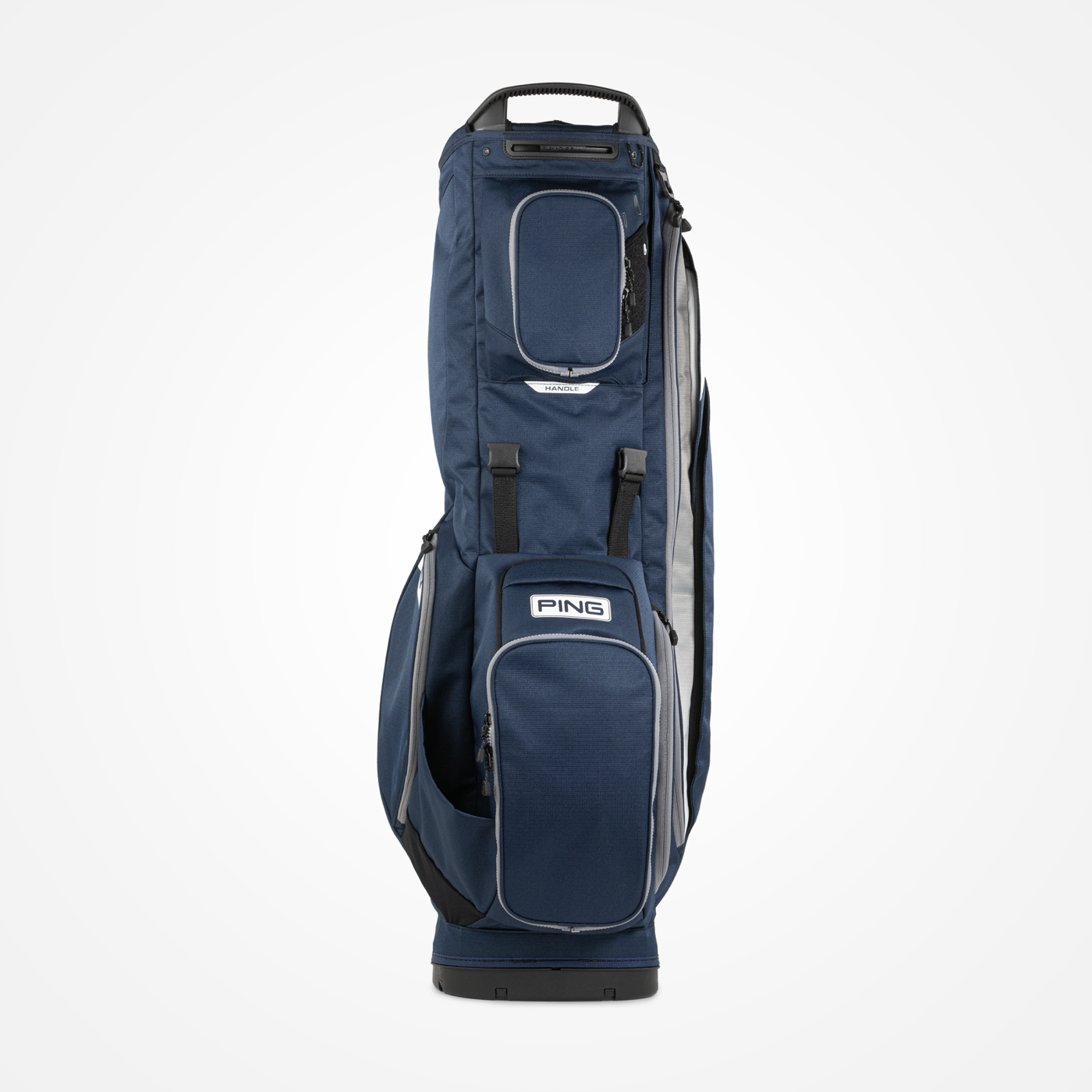
The Ping Hoofer 14 is the 14-way-divided version of Ping's long-running Hoofer carry bag, aimed at walkers who want every club in its own slot but still need a bag that throws on a buggy now and then.
What's great
The dual strap is the standout, and it is the real reason people stay loyal to this bag. One clip switches you from a balanced backpack carry to a single shoulder sling, and on the shoulders it is genuinely comfortable for 18 holes. Twelve pockets, including a proper padded valuables pocket, a rangefinder slot and a water-bottle holder, plus the built-in rain hood and a cart strap channel, means it is sorted for organisation and works fine on a trolley too. The legs are sturdy and the build is classic Ping, which is to say it lasts. independent testers rated it near the top of its class.
Worth knowing
Two honest gripes. First, the 14-way top has a smaller diameter than rivals and the dividers do not run to the base, so a lot of owners report clubs binding and grips tangling when you pull a club in a hurry. This is the single most common complaint and the buyer reviews on Ping's own site are notably lukewarm because of it. Second, it is around six pounds, heavier than a slim carry bag, and the strap can twist when you sling it on. Not the one if you want the absolute lightest bag for long walking days, or if a full-length 14-way divider is a dealbreaker.
The verdict
I rate the Hoofer 14 for the carry comfort and the organisation, and it is a sensible pick if you walk most rounds but cart occasionally. Just go in knowing the 14-way top can bind, and if that drives you mad, look at the standard Hoofer instead.
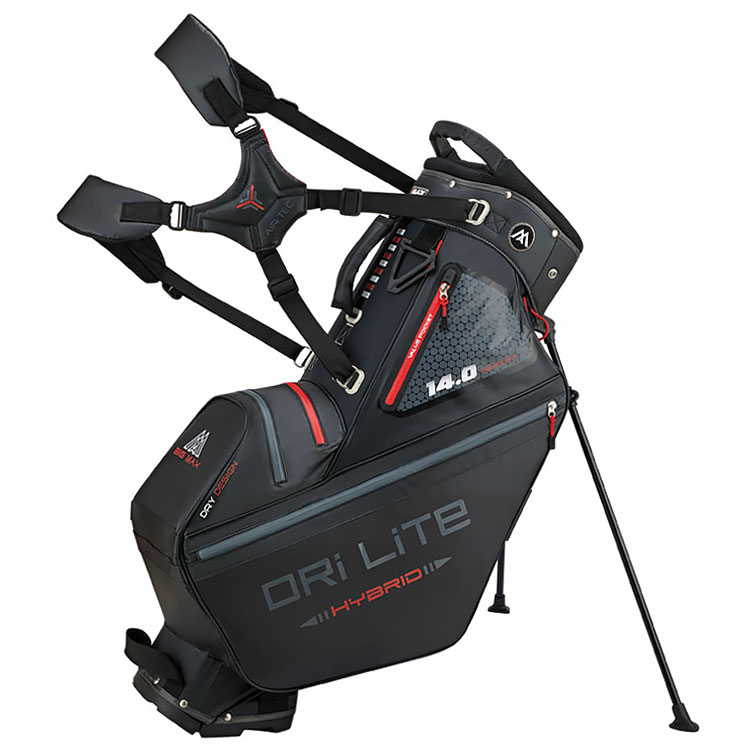
The Big Max Dri Lite Hybrid is a fully waterproof hybrid stand bag built to do double duty: carry it on your back one day, strap it to a push or powered cart the next. Aimed at the walker-rider who wants one bag for everything.
What's great
The waterproofing is the real deal. Testers blasted it with a hose and nothing got into the pockets, so your gear and phone stay dry in a proper downpour. It is genuinely light at around 4.5lb, the backpack straps are well padded, and the flat hidden-leg base sits properly on a push cart instead of wobbling about. You get a full 14-way top with individual sleeves and seven sensibly sized pockets, including a cooler pocket that swallows a six-pack. For a bag this versatile, it carries comfortably as long as you do not load it to the gills.
Worth knowing
The zips are the weak spot, and it is not a one-off. Multiple owners report zips snagging, being fiddly one-handed, and outright failing inside two to three years (one bloke had three go in a fortnight). The legs can be stiff to release and do not splay quite wide enough for rock-solid footing on slopes, and there are reports of shaft rub and the divider padding wearing through on the wedge slots. If you want a simple 4 or 5-way top, the 14-way will annoy you.
The verdict
I rate it as a do-it-all bag if waterproofing and cart-friendliness top your list, and the price is fair. Just go in clear-eyed: the zips are the bit most likely to let you down, so treat them gently.
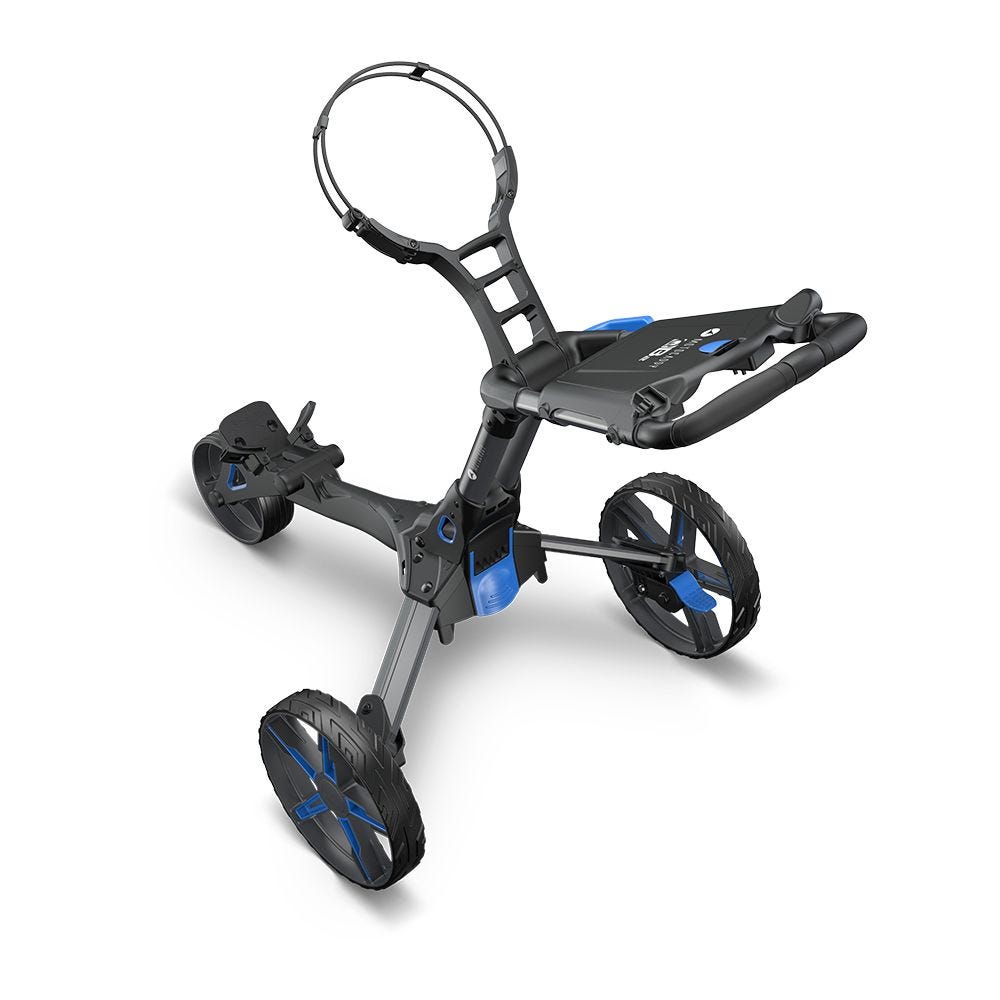
Motocaddy's second-generation compact three-wheel push trolley, replacing the best-selling Cube.
What's great
The fold is the party piece, two quick movements and it's a neat little box, no trapped fingers, no swearing. Golf Monthly and National Club Golfer both praised the smoother, more stable ride from the bigger wheels and wider stance, and it really does glide over rutted winter fairways. The adjustable handle height is a genuine improvement over the Cube's one-size-fits-nobody approach. Storage touches like the under-handle net and accessory compartment are thoughtful, and the EASILOCK bag compatibility keeps everything secure. At £199.99 it undercuts the Clicgear 4.5 by a fair margin.
Worth knowing
Accessories are where they get you, with the drinks holder, umbrella holder and wheel covers all costing extra. At 9.5kg it's light to push but not the lightest to lift. Demand is high and it goes out of stock regularly, including on the Motocaddy site itself. There's no hand brake, just the foot-operated parking brake, if that matters to you on hilly courses.
The verdict
Brilliant, sensible, and the one I'd point most push-trolley buyers at. Just budget for an accessory or two.
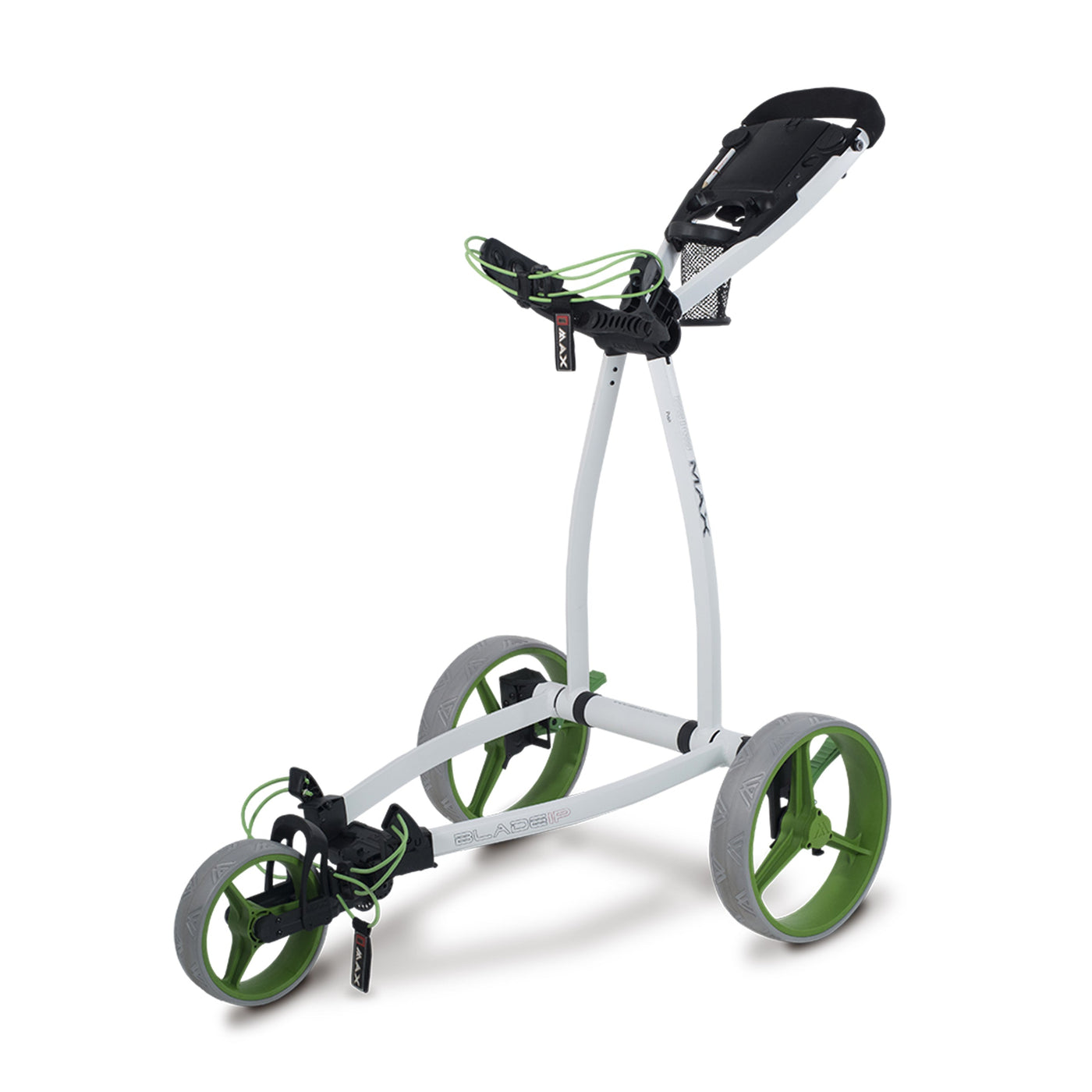
A premium three-wheel push trolley from Big Max, built for walkers who are tight on boot and garage space. This is the second-gen Blade IP, leaning hard on its party trick: folding flatter than just about anything else out there.
What's great
The flat fold is the real deal, not marketing fluff. It collapses to under five inches thick (about the depth of a fizzy drink can) and slides into a packed boot or under a bed where other trolleys won't go. At roughly 13 to 15 pounds of powder-coated aluminium it feels properly made, barely any cheap plastic. The dual foot brakes hold it steady on a slope better than single-brake carts, and reviewers from Golf Monthly to Plugged In Golf rate it as one of the best push trolleys they've used. The new XL storage console is genuinely handy for balls, tees, phone and a rangefinder.
Worth knowing
It's dear, and Big Max stripped the cupholder that came on the original IP, then sells you one as an add-on, which is a cheek at this price. The folding is a touch fiddlier than the cheaper Blade Trio. The narrow rear wheelbase looks tippy and a few owners reckon the older version felt steadier on rough, hilly ground. The lower bungee straps do almost nothing, so a big staff bag sits a bit upright. Not for you if you want a do-it-all trolley with everything thrown in.
The verdict
If boot and storage space is your main headache, nothing folds smaller and it's a quality bit of kit I'd happily push. Just go in knowing you're paying top dollar and you'll likely be buying the cupholder separately.
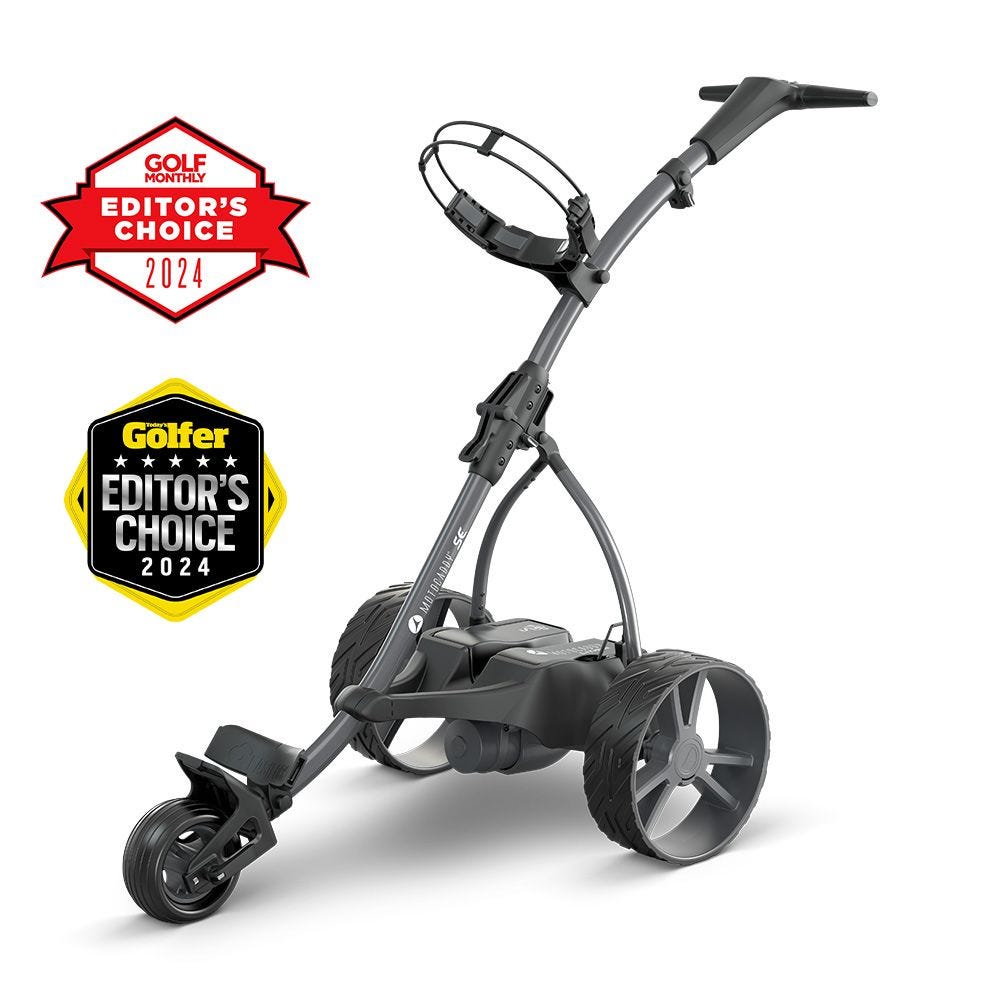
The Motocaddy SE is the brand's back-to-basics electric trolley, aimed at golfers stepping up from a push cart who want the legs done for them without paying for tech they won't use.
What's great
This is proper Motocaddy build quality at the cheap end, and you feel it. The frame is solid, the QUIKFOLD setup takes seconds once you've done it twice, and reviewers at Golf Monthly and Today's Golfer both basically said the same thing: you forget you're using it, which is exactly what you want from a trolley. Nine speed settings cover hills and wet ground without bogging down, and the lithium battery (the upgrade worth paying for) comfortably handles 36 holes, so you're not range-anxious on a long day. The USB port under the handle to keep your phone or GPS alive is a genuinely useful touch the budget competition mostly skips.
Worth knowing
The big annoyance is there's no display, so you can't see which speed you're on. You nudge the dial and it either crawls or shoots off down the fairway, and you're guessing every round. It's also bulkier folded than Motocaddy's dearer models, so check your boot space. No remote, no GPS, no downhill brake, it's deliberately basic. And the lead-acid battery version is a false economy, heavy and shorter-lived, so factor the lithium upgrade into your budget from the start.
The verdict
A genuinely good first electric trolley that nails the fundamentals for the money. Get the lithium version, accept you're guessing the speed setting, and you'll be very happy. I rate it for newcomers; gadget hounds should look higher up the range.
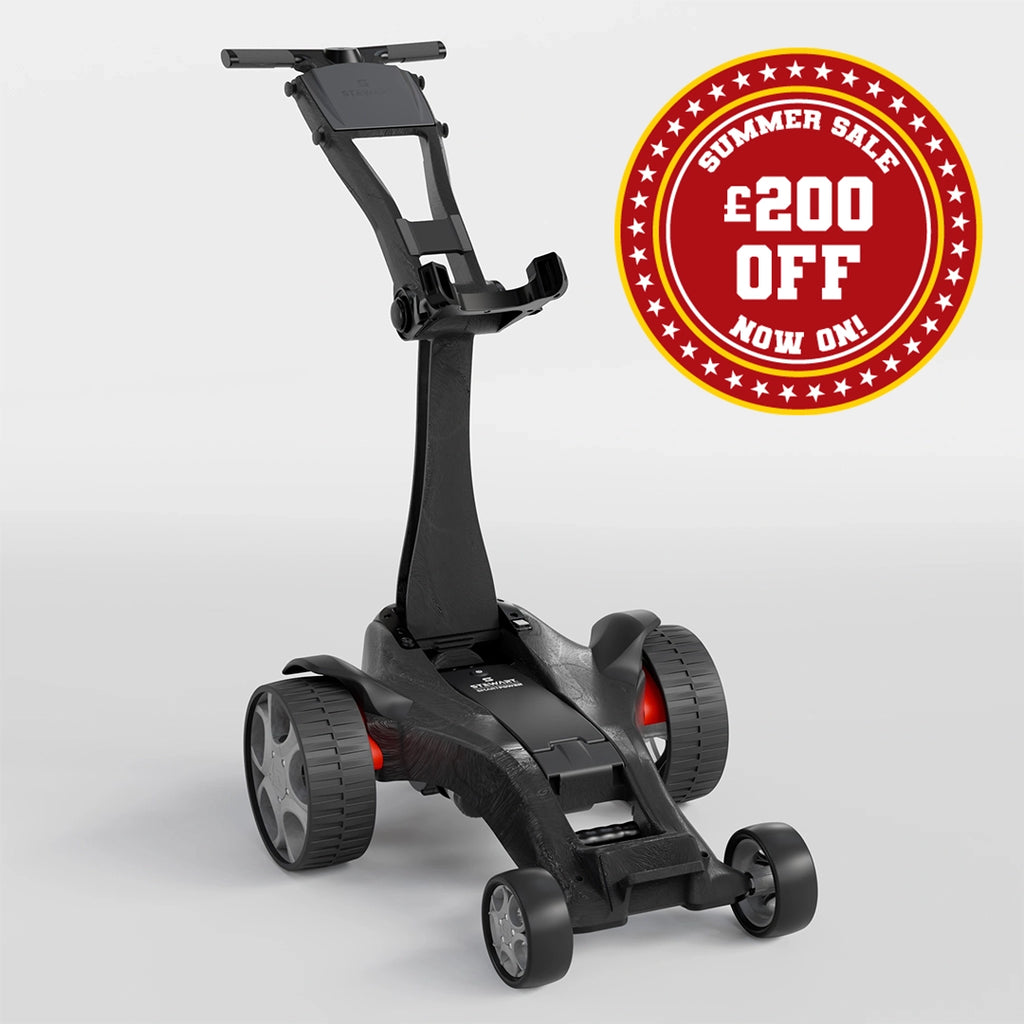
Stewart Golf's flagship electric trolley. It does the usual remote-control thing, but its party trick is Follow mode: pop the handset in your pocket and the trolley tracks you down the fairway on its own, adjusting speed and direction so you can walk with nothing in your hands. It is designed, engineered and hand built in Britain.
What's great
It is built like a tank and genuinely stable on slopes and sidehill lies thanks to the retractable stabiliser and dual-bearing wheels. The remote connection is rock solid out to a long range, the battery monitoring through the app is handy, and on open fairways the Follow tech is borderline magic. Reviewers reckon a good one lasts five to ten years, which softens the sting of the price over time.
Worth knowing
It is expensive, and Follow mode is not true hands-free golf yet: it works beautifully on open fairways but gets confused around bunkers, trees and water, so plenty of owners end up using the remote most of the time. At around 14kg before the battery it is legitimately heavy to lift in and out of a car boot, you cannot push it manually (it only moves under power), and it can pop a little wheelie off the mark on an incline. Best owned if you can store it at the club.
The verdict
If you walk every round and have the budget, it is about as good as a follow trolley gets right now: superbly built, brilliantly stable and a joy on open courses. Just go in clear-eyed that Follow mode is a clever assistant rather than a full caddie replacement, and that it is a lump to haul around if you are boot-to-clubhouse every week.
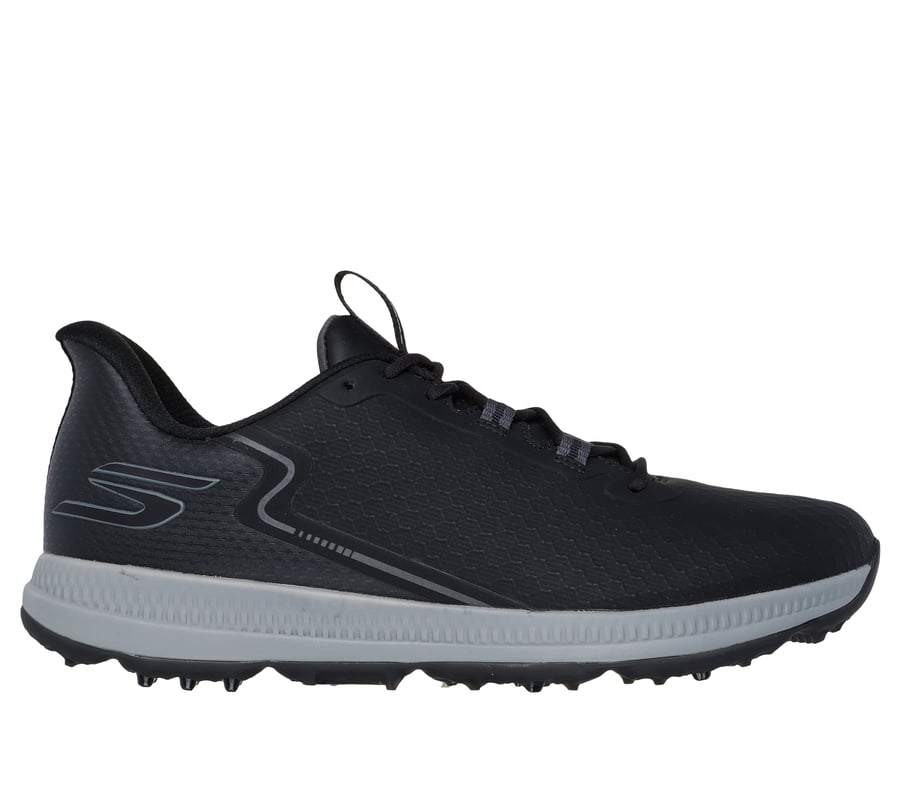
The Skechers GO GOLF Elite 6 is a spikeless slip-in golf shoe built around all-day comfort, aimed at the golfer who wants a cushioned, easy-on shoe at a sensible price rather than a stiff, athletic performance shoe.
What's great
Comfort is the headline and it's the real deal. The Arch Fit insole and heel pillow mean I can walk 36 holes with zero break-in and no hot spots, and the lightweight padding genuinely rivals shoes costing a lot more (independent testers literally rated it the most comfortable golf shoe of 2025). The GRIPFLEX sole grips well on uneven lies and out of bunkers, the slip-in entry actually works, and there's a 12 month waterproof guarantee. Easy to wear, easy to clean, fine for any season.
Worth knowing
It's soft, so torsional rigidity is the weak point. If you're a quick, aggressive swinger who wants a planted, locked-down feel, you'll notice the lack of structure. The looks lean hard into chunky trainer territory and the big "S" and text branding aren't subtle (the white versions look classier than the charcoal). The "slip-in" is a bit of a con too, since you still bend down to tie the laces. Fit runs slightly narrow, colour choice is thin, and they're not the most breathable.
The verdict
If you walk a lot and want comfort over a firm, sporty platform, I rate these as cracking value. Fast, aggressive swingers who want a stable base, or anyone after a sleek classic look, should look elsewhere.
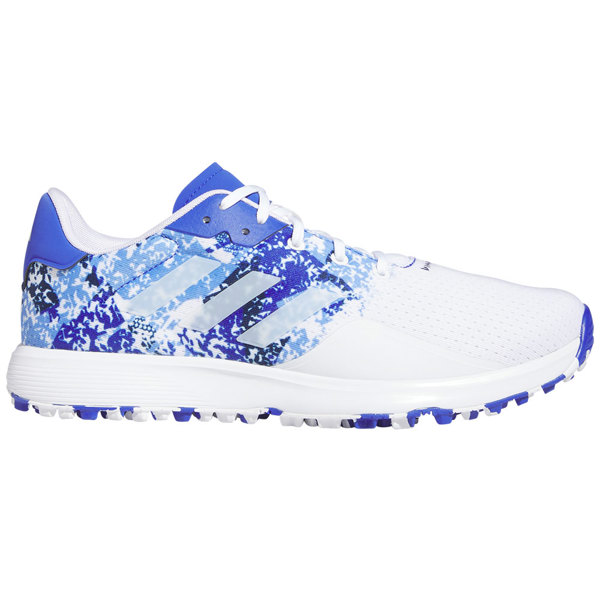
The adidas S2G SL is a spikeless, trainer-style golf shoe pitched at golfers who want one pair that works on the course and at the pub car park without looking like clown boots. Budget-to-mid money, sneaker DNA, very much a daily-driver shoe rather than a serious tour weapon.
What's great
For the money these are a proper bargain and the bit everyone agrees on is comfort: Lightstrike midsole, no real break-in, and a wider, true-to-size fit that doesn't pinch your toes (around 90 to 97 percent of owners say true to size and width, so order your normal size). The spikeless Adiwear outsole grips better than spikeless usually does in dry and damp conditions, and they genuinely pass as casual trainers off the course. Build quality is tidy too.
Worth knowing
Big one: there are two versions and the waterproofing is night and day. The leather upper holds up dry through wet rounds, but the textile/mesh SL has real owner complaints about acting like a sponge, soaking your feet from wet rough even on a dry day despite the waterproof badge, and trapping grime that needs regular washing. They're also not very breathable for a summer shoe, and the spikeless nubs don't dig in for deep winter mud or give you the lateral lockdown of a proper spiked or premium SL shoe. Spring and summer footwear, basically.
The verdict
I rate these as a comfy, good-looking, cracking-value summer and dry-weather shoe, and the leather version earns its waterproof claim. But buy the leather, not the mesh, and don't expect them to carry you through a soggy British winter.
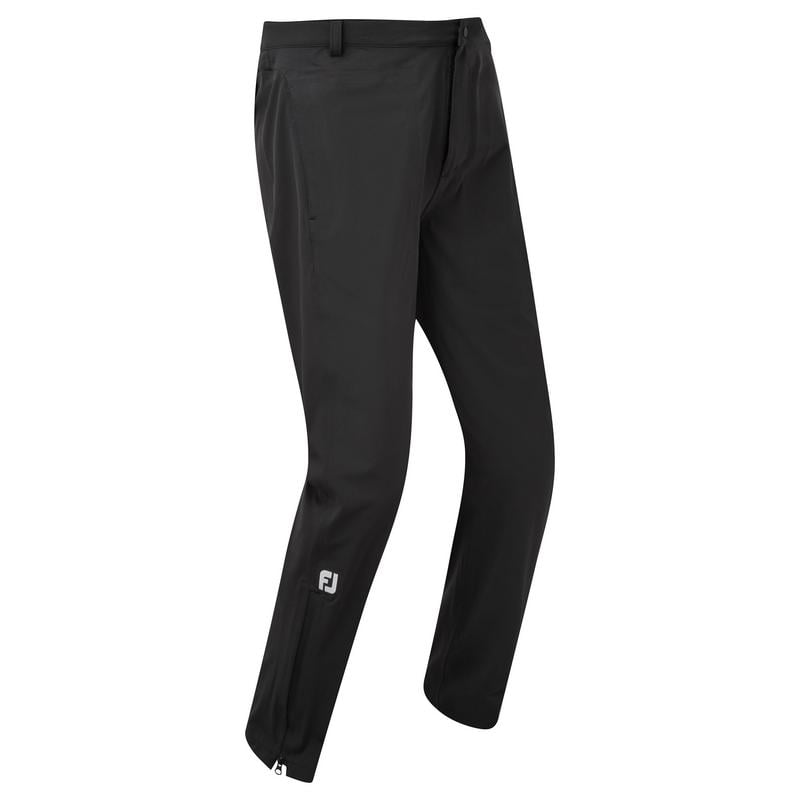
FootJoy's top-tier waterproof golf trousers from the HydroSeries range. They use a 3-layer Hydrolite stretch fabric rated to 20,000mm, with fully sealed seams and YKK Aquaguard zips, and they are cut to be worn either on their own or pulled over your regular trousers when the heavens open.
What's great
The fit and freedom of movement are the standout. Reviewers and owners consistently call them among the lightest and comfiest waterproofs they have worn, with stretch that moves naturally through the swing rather than flapping or restricting. Waterproofing holds up properly in sustained rain, they pack down small enough to live in your bag, and the 3-year warranty backs the build quality.
Worth knowing
They are genuinely awkward to get on and off while you are already wearing golf shoes, even with the leg zips undone, so you are best putting them on before you lace up or finding a bench. They are also a premium spend at around 139 pounds, and if you only see rain a couple of times a year a cheaper pair will do the job.
The verdict
If you play through British winters and shoulder seasons, these are about as good as waterproof trousers get for swinging freely while staying dry. The on-off faff is the only real gripe. Worth the money for anyone who refuses to let weather cancel a round.
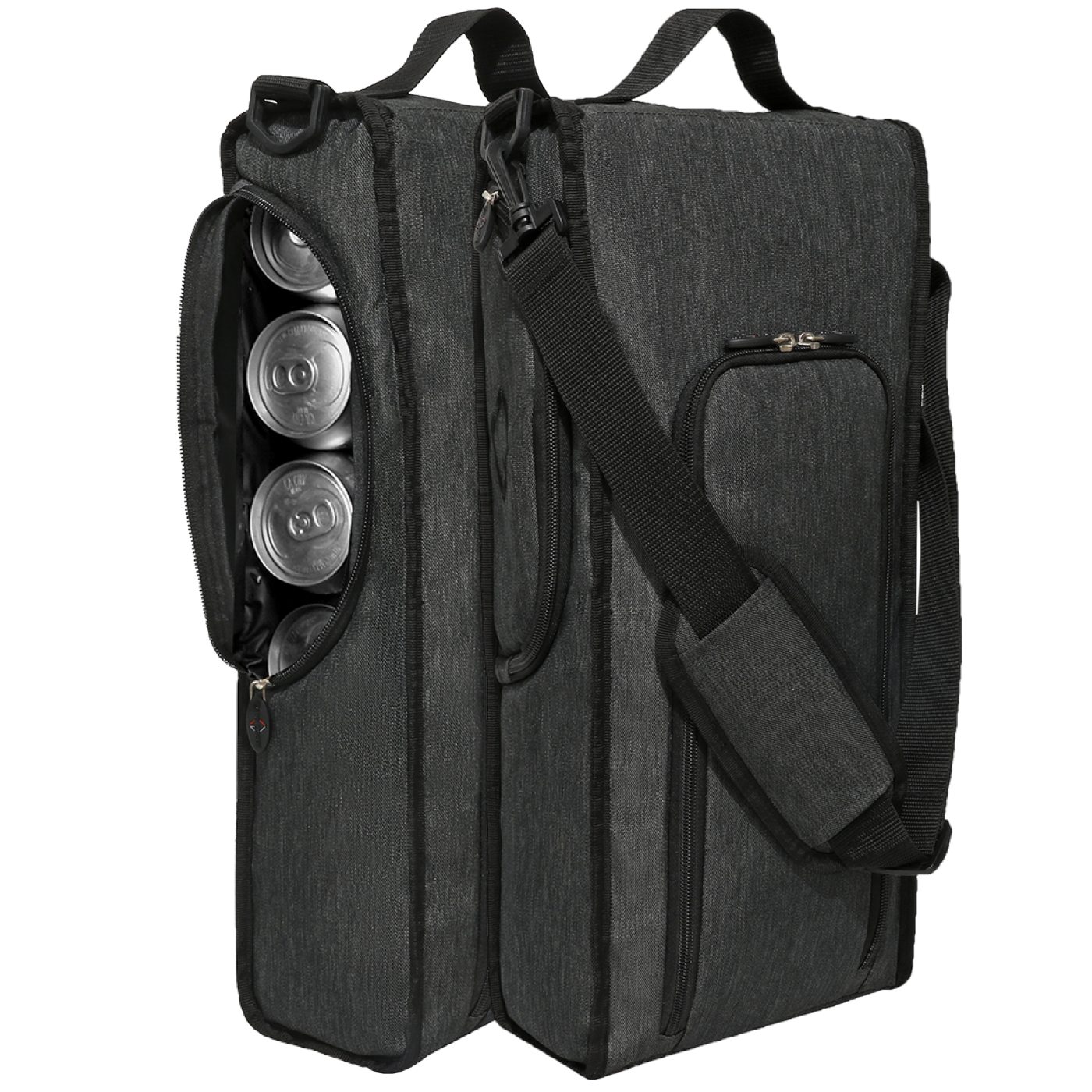
A slim, soft insulated sleeve (roughly 16 by 6 by 2.5 inches) that slots into your golf bag and holds six cans, aimed at blokes who want a couple of cold ones on the back nine without lugging a proper cooler.
What's great
The shape is the clever bit. It is thin enough to drop into a stand or carry bag pocket, and the side zip means you can grab a can without hauling the whole thing out, which is genuinely handy mid round. Build is decent for the money: heavy-duty zips, a heat-sealed leak-resistant liner, plus a removable padded strap and top handle if you want to sling it separately. CaddyDaddy have been making these since 2002, so it is a proven design, not a gimmick. Loaded with your own ice or a couple of decent ice packs, it holds cold well for a full 18.
Worth knowing
The honest gripes are real. The free ice pack it ships with is wafer thin, will not keep six cans cold on its own, and some owners have had it split and leak after a few uses, so budget for proper ice packs. With loose ice it can weep a little, so a ziplock liner is a sensible move. It has no rigid structure, so a full six cans is a tight, heavy squeeze and it slumps rather than standing up on its own. And six cans is the ceiling, so for a fourball it falls short.
The verdict
A smart, well-priced way to keep a few beers cold and within reach for one or two golfers. I rate it, just bin the included ice pack and use your own.
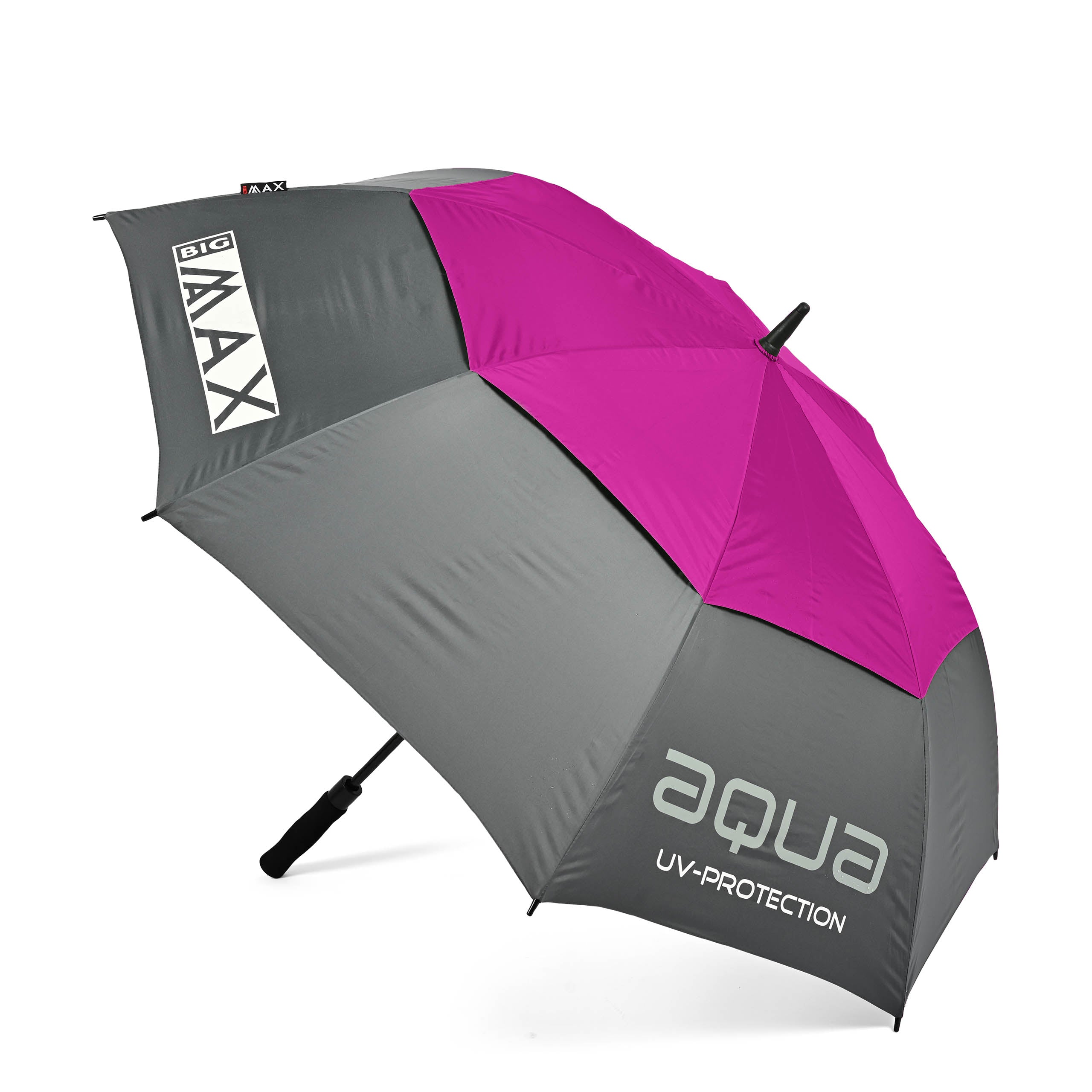
A big 60-to-68-inch twin-layer storm brolly built for blokes who play through proper British wind and rain, not just a passing shower. The vented top canopy is the whole point.
What's great
The double canopy genuinely earns its keep. That gap between the two layers lets gusts bleed through instead of catching you like a parachute, so it stays the right way out when a single-skin umbrella would already be turned inside out and flapping. Coverage is the other big win, the wide span keeps you AND your bag dry, and the better ones run a fiberglass shaft that flexes in a blow rather than snapping. Testers at Today's Golfer and Golf Monthly back this up, and owners who've binned a graveyard of cheap brollies rate the storm build as the one that finally lasted.
Worth knowing
It's heavy and bulky, the sturdier storm builds are a faff to wrestle shut and back into the sleeve, which is no fun mid-downpour. Watch the handle shape too, fat oval and pistol grips often won't drop into a standard trolley holder, so check before you buy if you ride a cart. The vents only work if they're built right, on some models the openings are too small or stitched too tight and they seal up in a real blow, killing the whole windproof trick. And in a true storm it's still a big lever in your hand, so don't kid yourself it's lightning-proof.
The verdict
If you play in weather, I rate it, the wind handling and coverage are worth the bulk. Just check the handle fits your trolley first, and don't expect it to fold away neatly.