The latest and greatest golf tech — the gadgets a golfer could browse for hours. The all-in-one launch monitor that turns a garage into a simulator, the lasers winning 2026's tests, the cult wrist sensor that actually fixes your swing, GPS speakers for the cart, and the cheap magnetic gadgets that just make life on the course easier. The toys genuinely worth it, not the gimmicks, kept current as new kit lands.
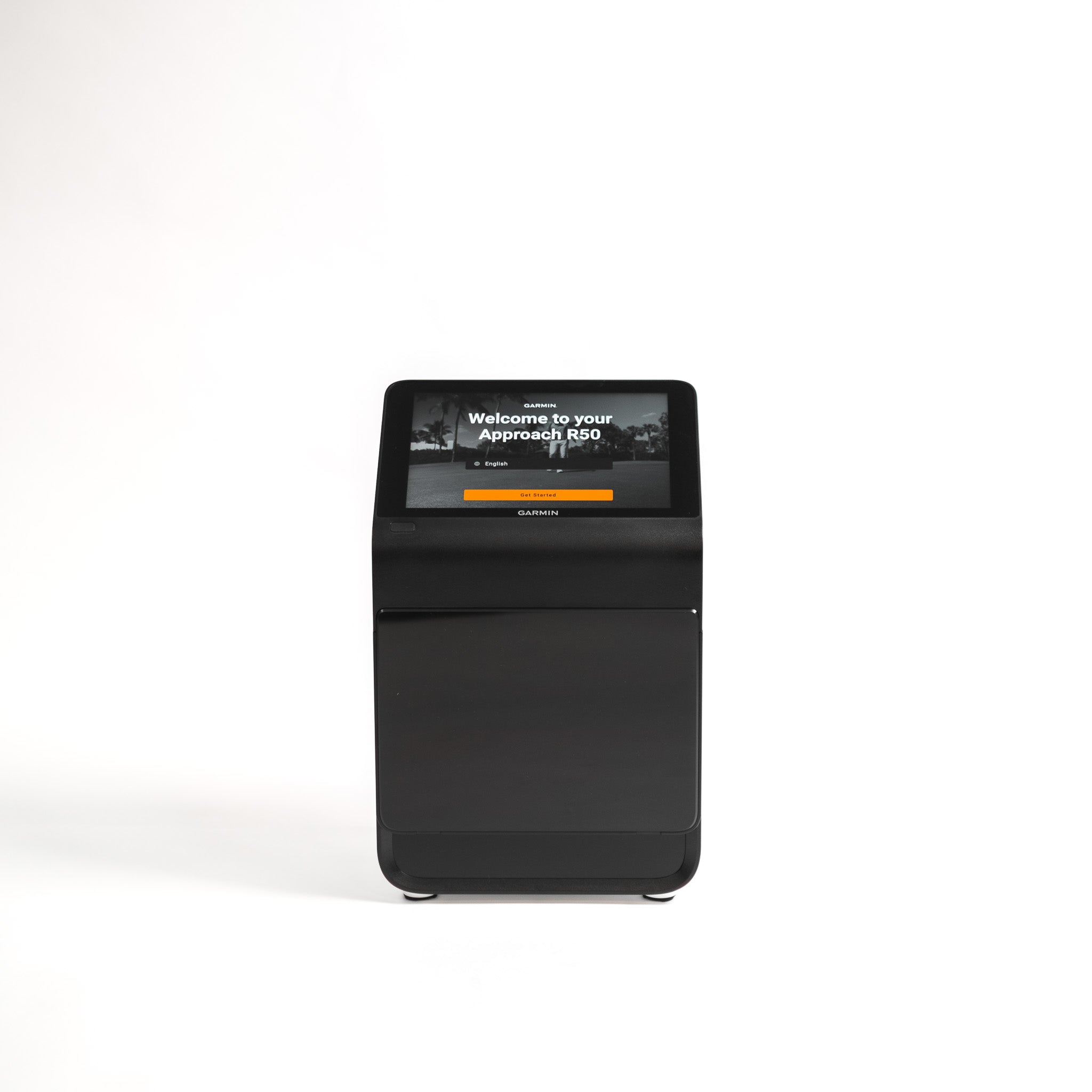
Garmin's premium photometric launch monitor and simulator. Three cameras read ball and club data, and a 10in colour touchscreen is built straight into the unit, so it runs Home Tee Hero virtual rounds and shows your numbers without any external laptop, tablet or phone. It works indoors with a net or screen and outdoors on the range, and packs into an included carry case.
What's great
The built-in screen is the headline. Most launch monitors in this bracket need a separate device to be useful, and the R50 just works out of the box, which makes casual sessions far less of a faff. Data is well-regarded for an optical unit, you get a full 15-plus metrics including spin, and the 43,000-course library plus four-player support makes it a proper social sim. Battery and portability mean it doubles as a range tool.
Worth knowing
It is a serious chunk of money at 4299, and the value-add features lean on a paid Garmin Golf membership, so budget for an ongoing subscription. To capture full club data you need to stick fiducial markers on your clubs, which is fiddly and easy to forget. The touchscreen sits low to the ground, so you will be kneeling or bending to change settings mid-session, and third-party sim software integration and left or right-handed player switching are still rough edges. Like all camera-based units it wants adequate space and decent lighting to read consistently.
The verdict
If you want one box that does everything and you will actually use the simulator side, the R50 is one of the most convenient premium options going. Just go in clear-eyed about the markers, the subscription and the kneeling, and only pull the trigger if the all-in-one screen is worth the premium to you over a cheaper monitor plus a laptop.
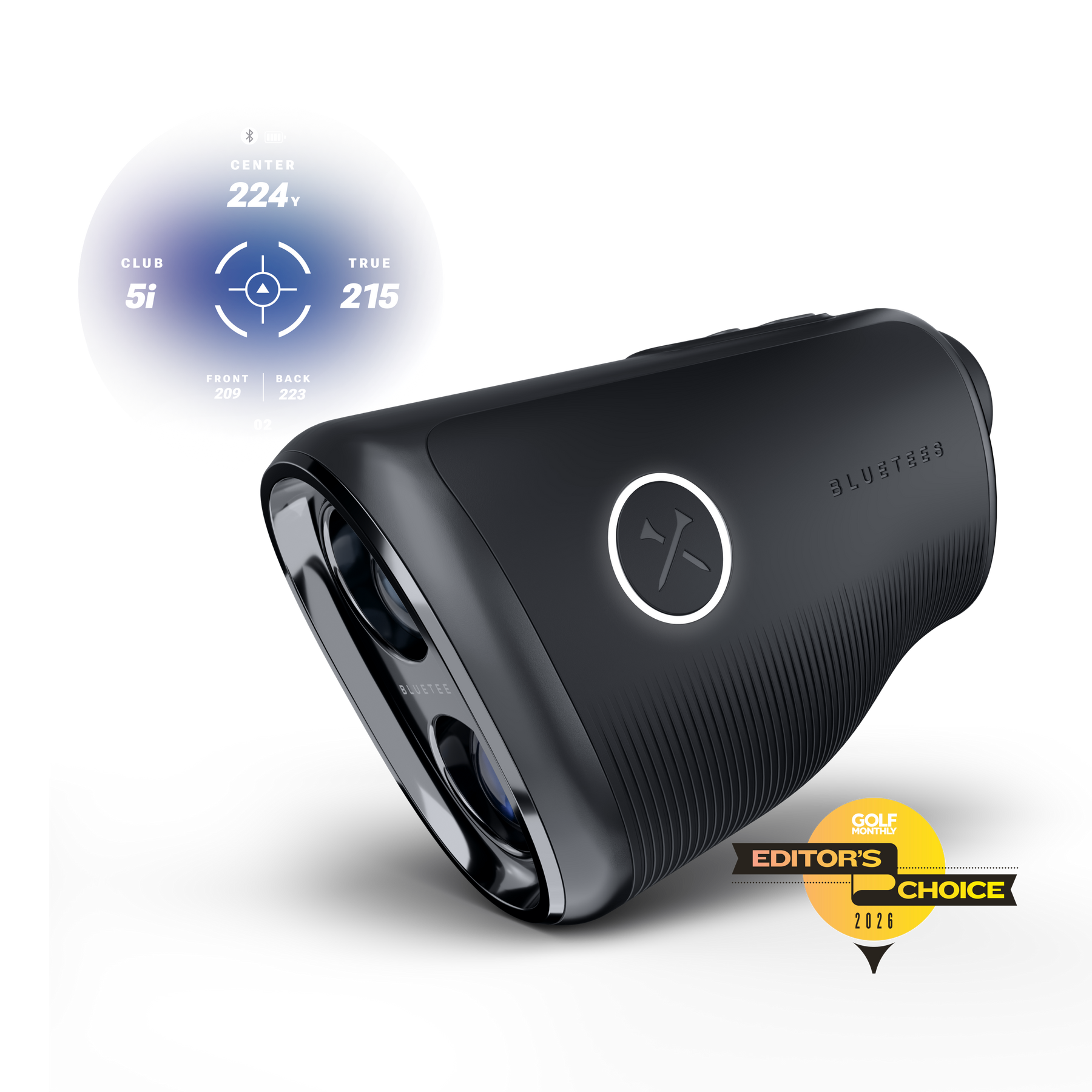
Blue Tees' 2026 flagship laser rangefinder with built-in GPS smarts, app-based shot tracking and AI-adjusted yardages.
What's great
The spec sheet reads like a £450 rangefinder. The OLED display is bright and crisp, 7x magnification makes finding the pin easier than on most rivals, and the flag lock is fast and confident. Golf Monthly said the features on this thing blew the market wide open, and National Club Golfer called it a premium product at a reasonable price. USB-C charging means no more hunting for CR2 batteries, the IP67 rating means proper British weather is fine, and the AI distance calibration genuinely helps on cold days when the ball goes nowhere.
Worth knowing
The GAME app is the soft spot, with reviewers consistently flagging it as clunky next to the hardware. There is a real learning curve given how much is packed in, so expect a few rounds of fiddling. The carry case has been criticised too. And the brand does not have Bushnell's resale value or track record.
The verdict
The value pick in premium rangefinders right now, as long as you accept the app is a work in progress.
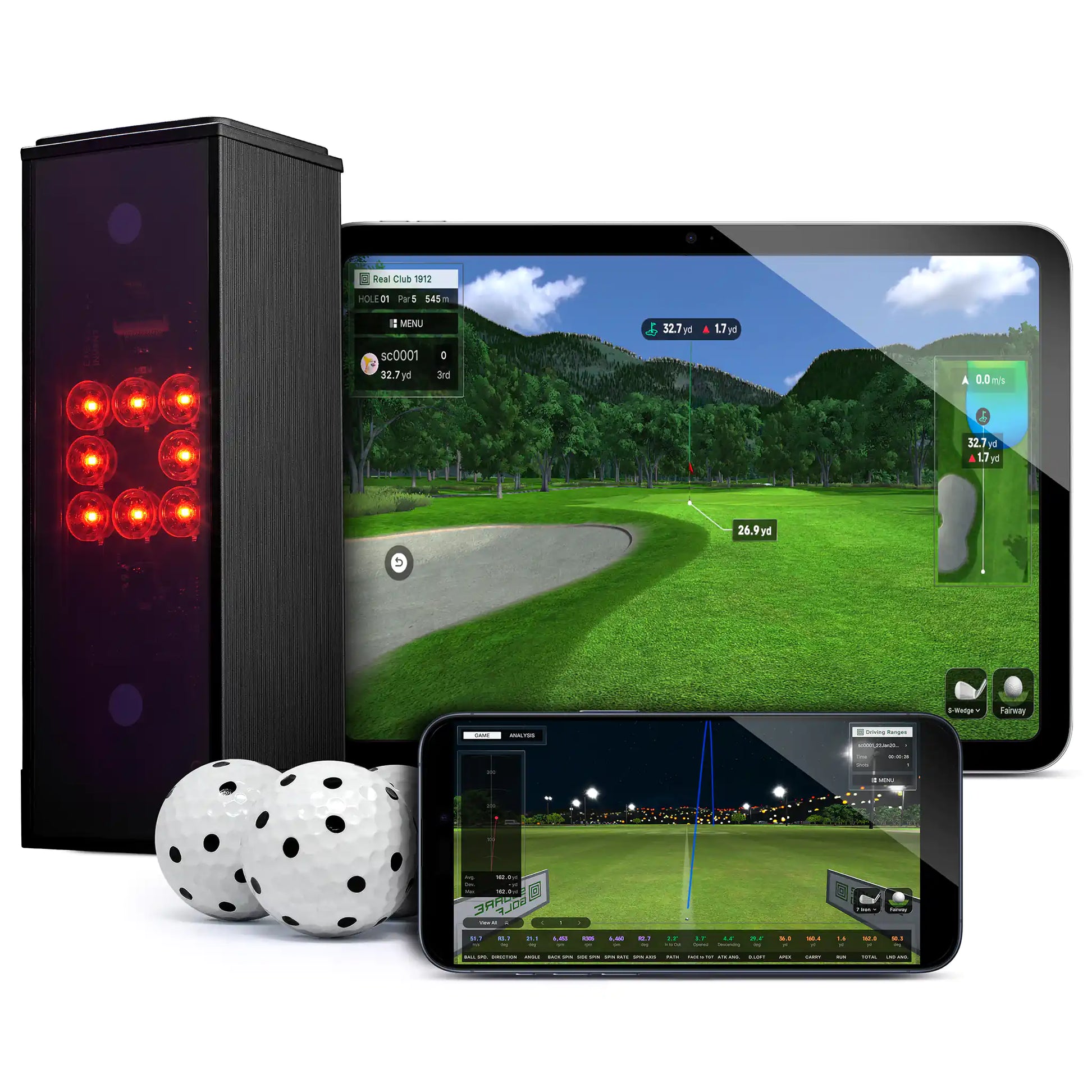
A compact camera-based launch monitor and simulator for indoor use, sold direct in the UK through Square Golf's own site.
What's great
Golf Monthly asked whether this is the best value launch monitor on the market, and it is a fair question. The data accuracy is genuinely impressive for the money, with shot response that feels instant, and getting club face and path data at this price is almost unheard of. The sim software is fun and well executed, short game practice actually works properly, and setup beside the ball means it suits tight rooms where radar units need depth behind you. The free practice modes mean most of what you will use it for costs nothing ongoing.
Worth knowing
Full sim rounds run on a credits system once your 1,000 welcome credits are gone, so factor a small running cost if you mainly play courses rather than practise. It is indoor only, and Square themselves warn that sunlight can damage the camera sensors, so this is not a range companion. You will also need a net, mat and a bit of space to get the best from it.
The verdict
The most complete budget home sim package out there, provided it never leaves the house.
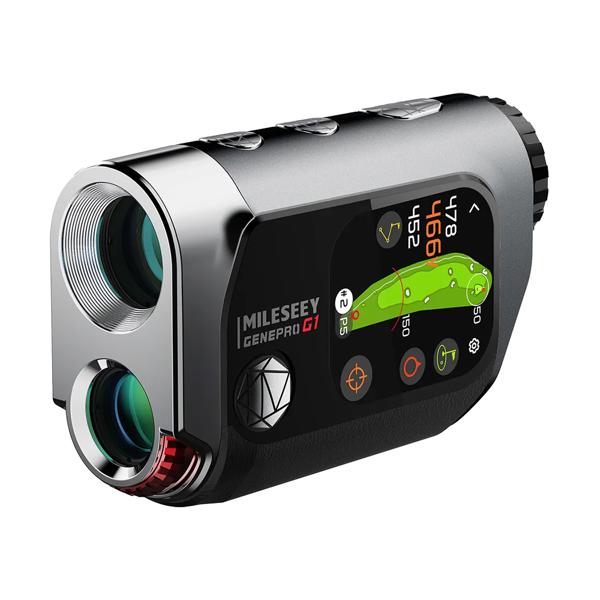
A hybrid laser rangefinder with a built-in colour GPS touchscreen, the first device to properly combine both in one unit.
What's great
As a piece of hardware it is superb. The laser is fast and accurate to within half a yard, the flag lock is near instant, and the AMOLED touchscreen is bright enough to read in full sun. Golf Monthly called it the best combination of rangefinder and GPS they had tested, and National Club Golfer praised how well it combines the best of both worlds. Having front, middle and back GPS numbers right next to your laser reading means you can sanity-check every yardage, and the triangulation mode for measuring doglegs is a clever extra. Battery life of four to five rounds is solid for everything it is doing.
Worth knowing
The app is poor, with a clunky interface and limited data, so treat the device as self-contained. The touchscreen can be fiddly with a glove on. £499 RRP is a big ask for an emerging brand, so wait for the frequent voucher discounts before buying. Long-term software support is an unknown compared with Bushnell or Garmin.
The verdict
The most feature-packed rangefinder you can buy, and brilliant as long as you never open the app.
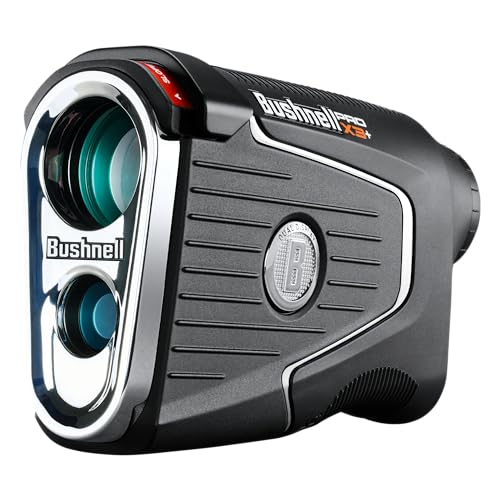
The Bushnell Pro X3+ is the top-of-the-range laser rangefinder, aimed at the golfer who wants every bell and whistle: slope, elevation, temperature, and now real-time wind data piped in from the app.
What's great
Where it counts, it delivers. It locks on stupid fast, the moment you ease off the button you've got your number, and those numbers are spot on whether straight line or slope-adjusted. The 7x optics are a notch above the usual 6x, so the flag jumps out of a busy background from way back, and the dual red/black display stays readable in any light. Build is tank-like, the BITE magnet genuinely sticks to the cart, and it shrugged off proper rain in testing. The Elements tech adjusting for altitude and temperature is a real edge if you travel to play.
Worth knowing
The headline wind feature is the weak link. It needs your phone on, Bluetooth paired and the app running, plus a compass calibration faff, and testers reported it dropping out and stalling readings by 15 to 20 seconds, which is the opposite of what a rangefinder should do. Pile wind on top of slope and battery and the viewfinder gets cluttered. It is heavy and bulky, built for cart riders not walkers. And slope and wind are both illegal in competition, so tournament players are paying top dollar for features they have to switch off.
The verdict
A genuinely brilliant rangefinder wrapped around a gimmicky wind feature you'll probably ignore. If you want the fastest, sharpest laser going and the budget doesn't scare you, I rate it, but most golfers should grab the cheaper plain Pro X3 (near identical) or a solid mid-priced rival and pocket the difference.
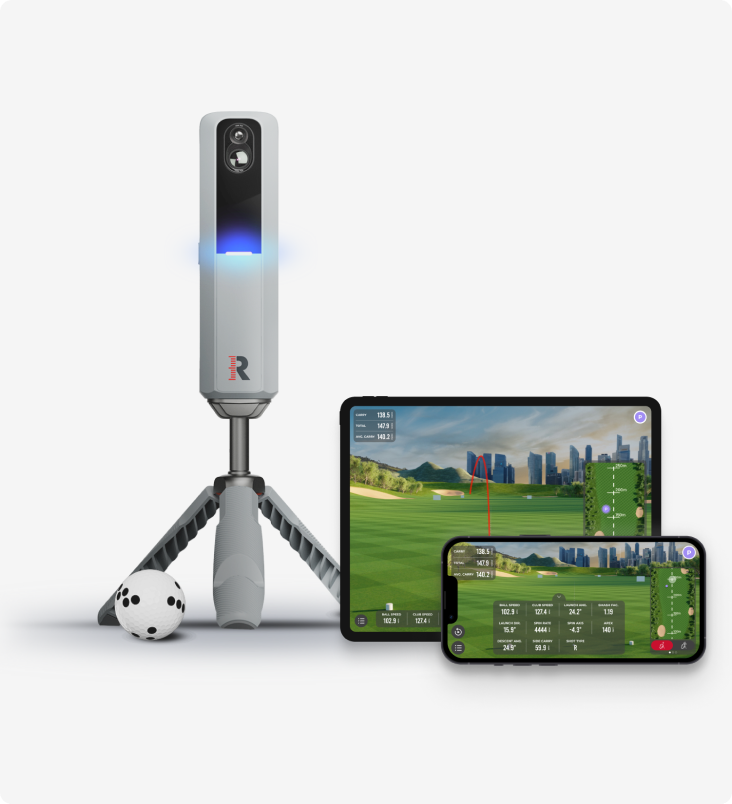
A portable camera-plus-radar launch monitor from Rapsodo that doubles as a home sim, aimed at golfers who want proper ball data without remortgaging the house for a Trackman or GCQuad.
What's great
For the money this thing punches well above its weight. Ball speed, launch angle and carry come back genuinely close to premium units on normal shots, and the dual cameras give you Shot Vision and Impact Vision video so you can actually see your strike. It's tidy, packs away small, and works indoors or out. Pair it with the dotted RPT balls and the spin numbers tighten up nicely too. As a practice and feedback tool for the price bracket, I rate it.
Worth knowing
Two things to know before you buy. First, the subscription: spin axis, club data and the 30,000-odd sim courses are locked behind a roughly 199-a-year membership once your free trial ends, so the sticker price isn't the full story. Second, accuracy has caveats. Spin is only trustworthy with the special dotted balls, longer shots (driver, anything past 200 yards) can read short by 15 to 20 yards, and it's fussy about lighting and indoor space. Some owners also hit connectivity gremlins. Not the unit if you want plug-and-play tour-level precision.
The verdict
A cracking value launch monitor that gets you 90 percent of the way to the expensive kit, as long as you accept the dotted-ball faff and the annual subscription. I'd buy it with eyes open, not as a Trackman killer.
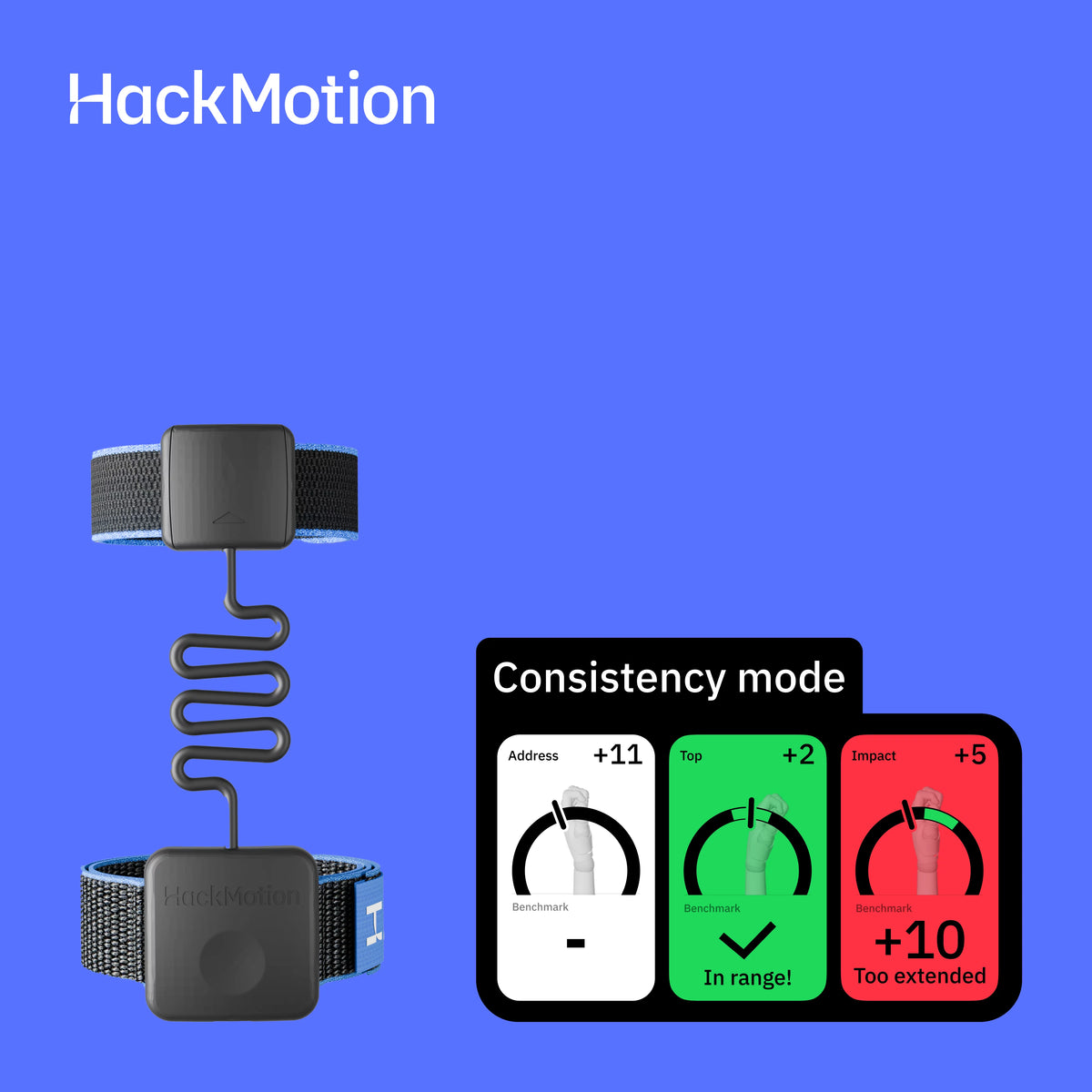
The HackMotion Core is a lightweight wrist sensor that clips to (or sits under) your golf glove and feeds back your wrist angles, mainly flexion and extension, in real time via an app. It's aimed at golfers who know their ball striking is inconsistent and want to fix the actual mechanics rather than guess.
What's great
The data is genuinely useful and there's basically no lag, so you see your wrist position at the top and at impact straight away. Setup and calibration are quick and the app walks you through it with drills and PGA Tour benchmarks to aim at. The sensor is barely noticeable when you swing, and audio cues mean you can keep your head down instead of staring at your phone. One nice touch: it's a one-off buy with a lifetime licence, no subscription. Testers across Golf Monthly, Breaking Eighty and others rate it as one of the better aids if wrist angle is your actual problem.
Worth knowing
It only does one thing. It coaches wrist angle and nothing else, so if your issue is grip, path or setup, this won't tell you. Calibration has to be done properly on the level or the numbers mislead you and you could groove the wrong move. The data can overwhelm you, and gadgets like this end up in a drawer if you overthink them. The audio cue can misbehave (sticking on at address for some), the app is landscape only, and battery is roughly 7 to 10 hours needing a USB-C recharge. Worst of all, Core is the entry tier: free practice and putting are locked behind pricey Plus and Pro upgrades.
The verdict
If you've got a real wrist-angle fault and the discipline to use it properly, Core is a smart, honest bit of kit that actually moves the needle. If you want a do-everything swing fixer or you know you'll fiddle once and forget, give it a miss.
A doppler radar launch monitor with a built-in screen and remote, aimed at the average club golfer who wants real numbers at the range or in the garage without a monthly subscription.
What's great
The headline trick is the bright built-in screen and pocket remote, so you get carry, ball speed, smash and apex called out without bending over a phone every shot. From wedges up to mid-irons it's genuinely sharp, reviewers had it within a couple of yards of a Bushnell Launch Pro and Foresight GCQuad, which is mad for the money. It barely misses a shot indoors or out, only needs about five feet of space behind you, and there's no subscription holding the data hostage like a Rapsodo. As a standalone range toy and basic sim unit (E6 Connect) it punches well above its price.
Worth knowing
The driver is where it falls over. Reviewers saw distances off by 20 yards or more on roughly half their drives, and spin going haywire (think 7,000+ rpm radar readings versus a believable 3,300 on a GC3). Spin in general is the weak metric, varying by hundreds of rpm shot to shot. The MySwingCaddie app is fiddly and a step behind rivals, there's no club path, face angle or angle of attack, and the protective case isn't even in the box. Serious fitters and low handicappers will outgrow it fast.
The verdict
If you want honest iron and wedge numbers and a no-faff screen for range or garage work, I rate the SC4 as about the best value going. Just don't trust it on the big stick, and don't buy it expecting fitter-grade spin data.
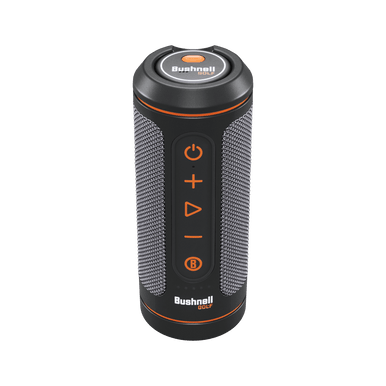
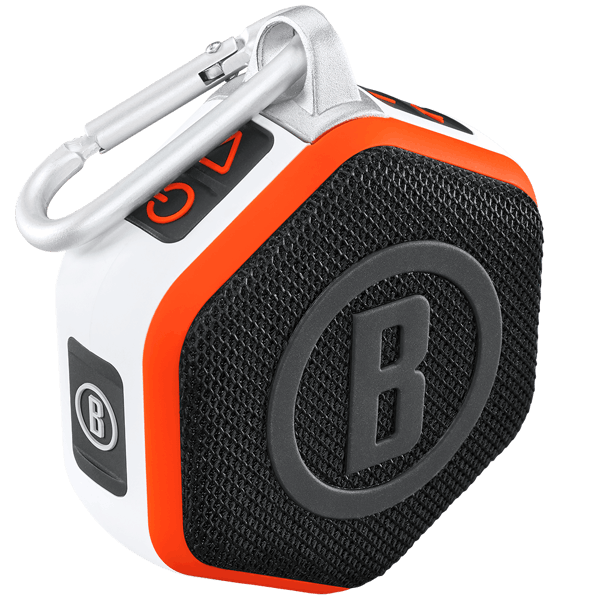
It is a Bluetooth speaker with built-in GPS that barks out front, middle and back yardages on the cart, aimed at riders who want tunes plus distances from one gadget on the buggy rail.
What's great
For the money the sound genuinely punches above its weight, full and warm with a proper indoor/outdoor mode toggle, and reviewers like Breaking Eighty and PlayBetter rate the audio highly. The upgraded BITE magnet is so strong testers reckon you need two hands to pry it off the cart frame, so it is not bouncing off on a bumpy path. Bluetooth range is solid and build quality is a clear step up on the original. One click of the remote and a caddie-style voice reads your yardages, which is genuinely handy when you are driving.
Worth knowing
This is the one to think hard about. There is no screen, so for not much more cash the Wingman View or Blue Tees Player+ give you visual yardages too. The remote has no volume control and won't pause music in Golf Mode, so you're walking back to the speaker to fiddle. Bushnell dropped the carabiner hook, so walkers have nothing to clip it to. Owner reports flag inconsistent GPS callouts (off by several yards), batteries fading faster than the claimed 14 hours over time, dodgy charge ports, and patchy customer support if it goes wrong.
The verdict
A cracking cart speaker with a useful talking-GPS bonus, but if you walk or want numbers on a screen, your money's better spent elsewhere. I rate it for buggy riders, I'd avoid it if you carry your bag.
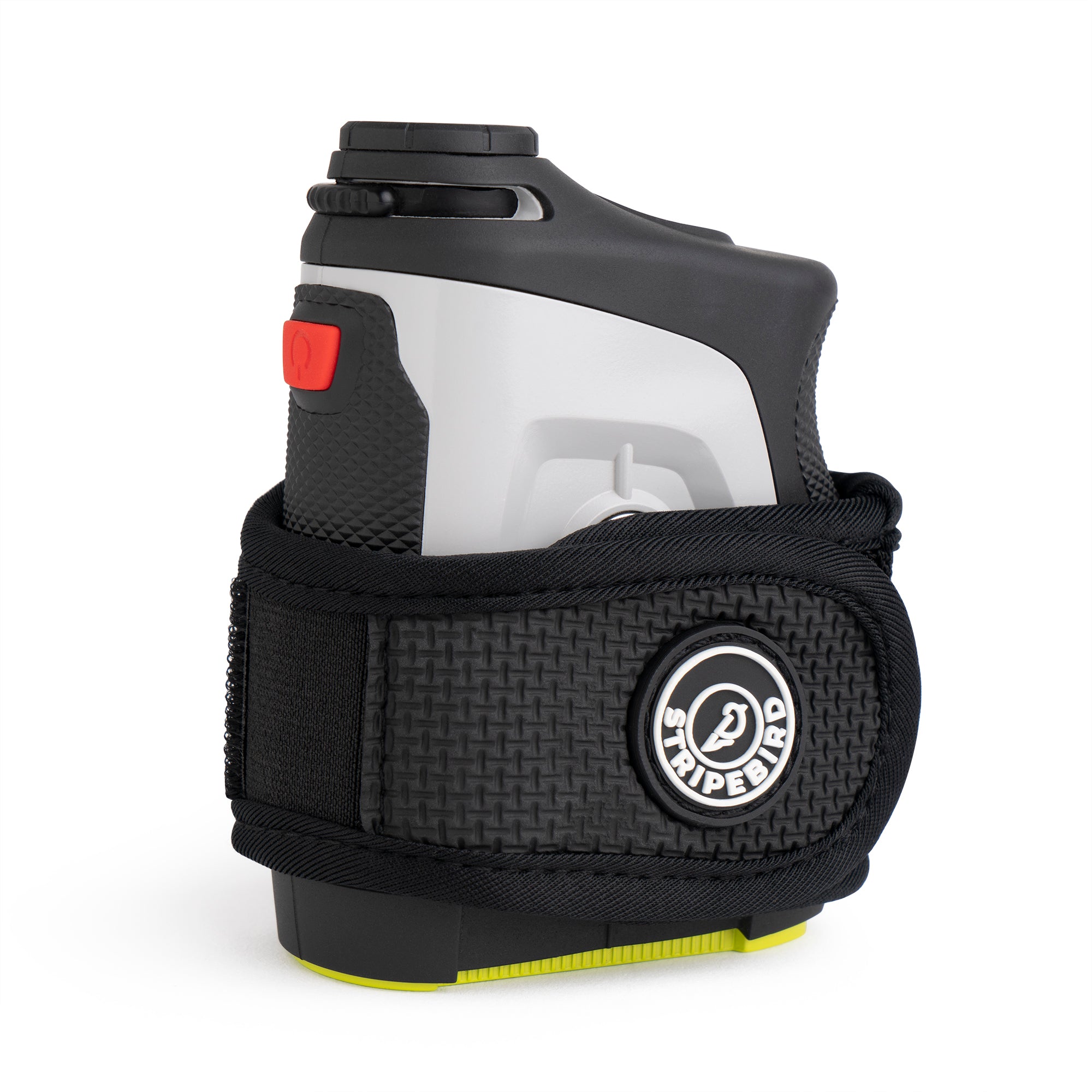
A Frogger-style magnetic rangefinder strap that velcros a magnet puck to your cart bar and another to your rangefinder, so the unit clicks on and off the cart hands-free. Aimed at cart and push-cart golfers who are sick of fishing their rangefinder out of a pocket or bag every shot.
What's great
When it's fresh, it just works. The self-aligning magnet and 3-stage lock genuinely hold on a bumpy cart, and yanking the rangefinder off one-handed becomes second nature within a round. No tools, no drilling, the velcro fits basically any cart bar and most rangefinder bodies, and you can swap the puck onto a push cart or trolley. For the magnet-paranoid: I checked, and the magnet does not mess with the rangefinder's laser or readings, it's only old magnetic-storage gear that cares, so your Bushnell or Nikon is fine.
Worth knowing
It's not forever-kit. The velcro and silicone go brittle and start slipping after a season or two, faster if you're a sweaty, sun-cream-slathered summer golfer, and the magnet's grip slowly weakens, so check it before it dumps your pricey laser in the rough. The honest killer though is human: loads of owners admit they drive off and leave the rangefinder clamped to the cart, which is a great way to donate it to the course. And for what is effectively two straps and a magnet, it's dear.
The verdict
A genuinely handy bit of cart kit that earns its place if you ride or push, just treat it as a 1-2 season consumable, check the grip regularly, and train yourself to grab it before you drive off.
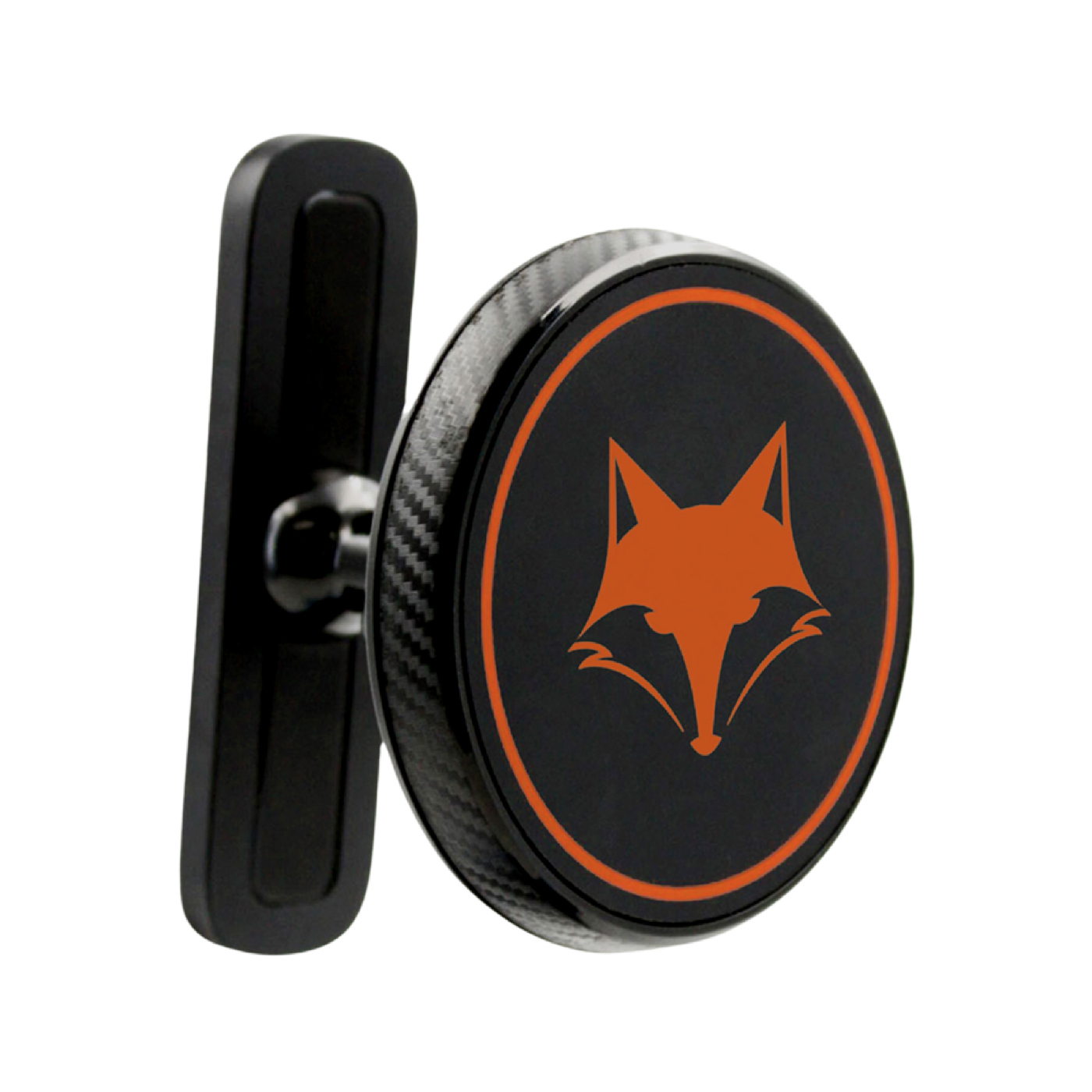
A magnetic mount that straps to your cart frame or bag and grips your phone via MagSafe, so you can glance at yardages or film your swing without digging in your pocket. Aimed at cart-riders and range rats who use a GPS or shot app.
What's great
The hold is the real deal. These use N52 neodymium magnets and on a genuine MagSafe iPhone the phone simply does not budge, not over cart-path bumps, not over curbs (Golf Monthly and GolferHive both filmed it staying put on rough ground). Fitting is tool-free in about ten seconds via a silicone strap, it grips any bar nicely, and there's no cradle blocking your buttons, ports or camera. For checking distances and grabbing quick swing clips, it's genuinely handy and I rate it.
Worth knowing
It's only brilliant if you've got a real MagSafe iPhone. On Android or a non-MagSafe case you're stuck slapping on the included metal ring or plate, and reviewers flat-out say that's noticeably less secure and not one I'd trust on bumpy ground (one owner's phone pinged off over small bumps). Thick or rugged cases weaken the hold, grit between magnet and case does too, and the strap can be too short for fat custom cart bars. On a push trolley you often need a separate hub plate, and clamping to your irons looks messy and can scuff clubs. It's also pricier than basic cradle holders.
The verdict
If you ride a cart and run a MagSafe iPhone, it's a cracking little bit of kit I'd happily use. If you're on Android, a chunky case, or want bombproof retention on rough paths, skip the magnet and get a proper clamp cradle.
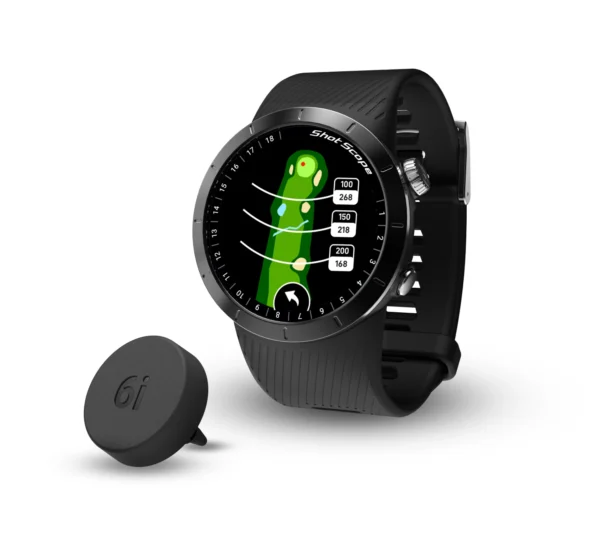
A GPS golf watch with proper automatic shot tracking built in, aimed at stat nerds who want to know where their game actually leaks without paying a yearly subscription. You screw the included tags into your grips and it logs every shot hands-free.
What's great
The big win is no subscription, ever. Unlike Arccos you pay once and the app, the 100-plus stats and Strokes Gained are free for life, which over a few seasons makes it a steal. The GPS yardages (front, middle, back, hazards, layups) are accurate and the 36,000 courses are preloaded, so it works out of the box. When the auto tracking behaves it's genuinely useful, and the Pin Collect short-game data is a proper edge over rivals. Reviewers at Plugged In Golf and Breaking Eighty both rate the GPS and the stats highly.
Worth knowing
Be honest with yourself: the auto tracking is not flawless. Most testers had to fix 4 to 6 shots per round, and the app's editing screen is a faff that can eat half an hour. Battery is the real sore point, several owners drained it flat in a single 18, so the "two rounds" claim is optimistic. The touchscreen is fiddly when wet and the lock-dial gets annoying. It's not a smartwatch either, no notifications or fitness tracking. And you have to wear it, no cart mount.
The verdict
I rate it for the value and the data, especially if you're an Arccos refusenik who hates subscriptions. Just go in knowing you'll be tidying up missed shots in the app and babysitting the battery.
A compact waterproof Bluetooth speaker with golf GPS built in, reading out distances at the press of a button while playing your music.
What's great
Golf Monthly described it as delivering near faultlessly on the brief, and it does. Sound quality is impressively clear and full for something this small, carrying nicely around a tee box without bleeding across the course. The BITE magnet sticks it to any trolley or buggy frame instantly, the carabiner sorts bag carriers, and IPX7 waterproofing means British weather is a non-issue. The audible distance feature works well once the app is set up, and the price is reasonable for a speaker this good even before the golf tricks.
Worth knowing
GPS callouts need your phone nearby with the app running, so it is not standalone like the bigger Wingman models. Ten hours of battery is fine but the original Wingman lasts longer. And be honest with yourself about course etiquette, because nobody wants your playlist on a quiet Sunday medal.
The verdict
If music on the course is your thing, this is the one to buy. Great speaker first, golf gadget second.
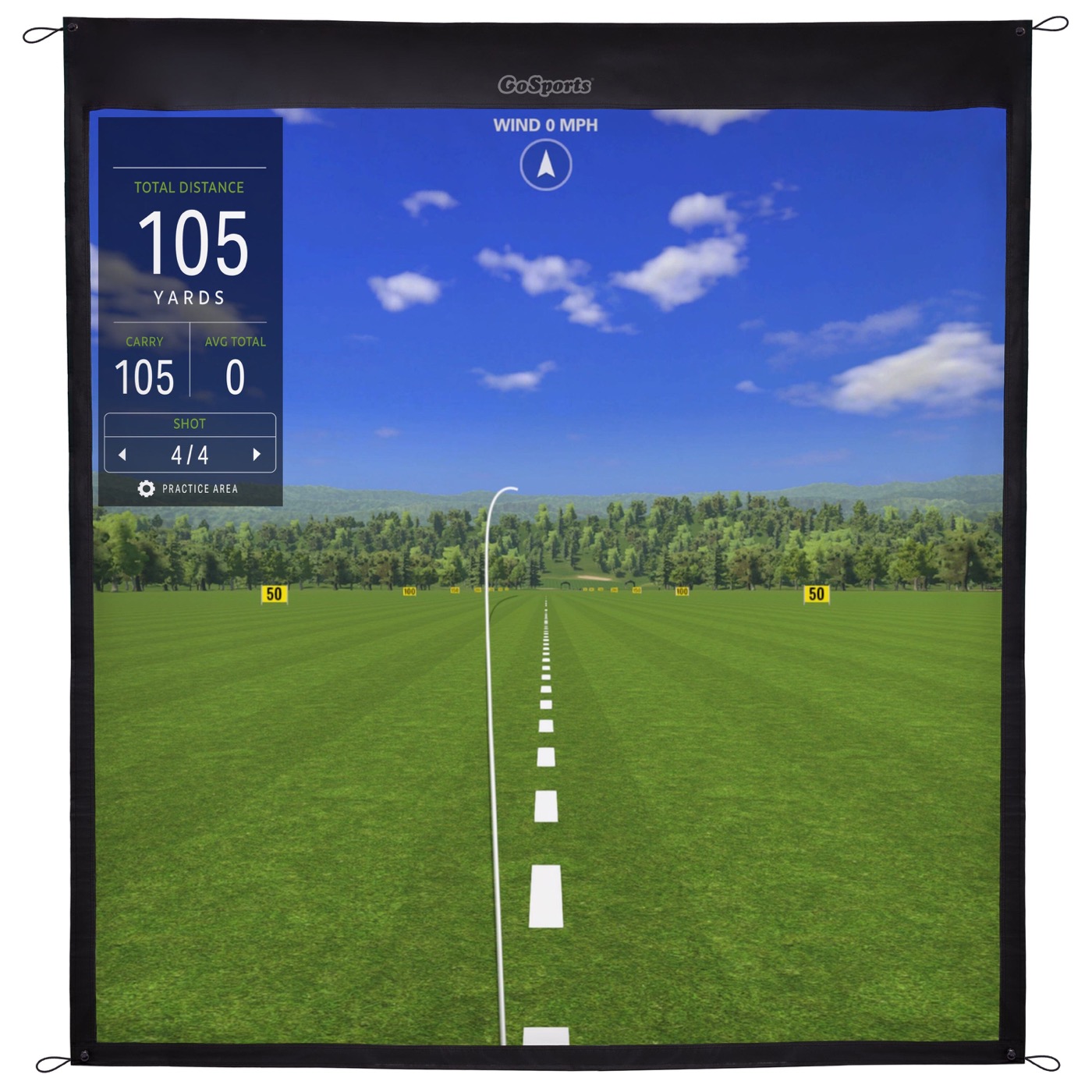
A tensioned polyester impact screen that doubles as your projection surface and your ball-stopper, aimed at anyone building a home or garage golf sim instead of paying club rates to hit into a TrackMan bay.
What's great
A proper multi-layer screen is the bit that makes a sim feel real. The good ones (Carl's Premium, SIGPRO, Par2Pro types) take a flushed driver at full belt and barely flinch, owners are still hitting clean after a couple of thousand shots with no real wear. The tight weave throws a genuinely crisp 4K picture with no pixel grain or light bleeding through the back, and the cushioned middle layer kills both the noise and the bounce, so the ball just dribbles back to your feet instead of pinging off. Get the tension right and it is quiet, safe and immersive.
Worth knowing
It is fussier than the marketing lets on. Ship it and it arrives folded with creases you may need to iron or steam out, and getting it dead flat is a faff, too tight and it turns into a trampoline that fires balls back at you, too loose and it sags and ripples. Projector heat and humidity bring wrinkles back over time, and a bright room washes the image out (you really want it dark or a grey screen). You also MUST hang backing (mesh, moving blankets) behind it or the bounce-back gets dangerous, and dead centre will eventually show a wear bulge where every shot lands. Skip the cheap single-layer ones, they are loud, bleed light and wear out inside a year or two.
The verdict
I rate a quality multi-layer impact screen, it is the single biggest upgrade to how a home sim looks and feels, just budget for proper backing and accept you'll spend an afternoon fighting the tension. Buy once, buy the good one, and avoid the bargain-bin single-layer stuff.